Correction begins with an honest assessment
Permanent makeup correction · Los Angeles
A considered next step for permanent makeup you no longer want
Ruth Swissa evaluates the existing color, shape, saturation, skin, and treatment history before recommending correction—or explaining why another approach should come first.
 Permanent makeup correction · Los Angeles
Deciding on permanent makeup correction
Understand the existing pigment before adding more
The existing work sets the boundaries
Correction may require staged decisions
Correction planning
Move from an unwanted result to a realistic next decision
Ruth maps the desired direction against what is already in the skin and explains which changes appear feasible without promising that every prior result can be covered.
Plan correction- 01Correction begins with an honest assessment
- 02The existing work sets the boundaries
- 03Bring the full treatment history
- 04Correction may require staged decisions
Correction begins with what is there
See what can be softened, reshaped, or left alone
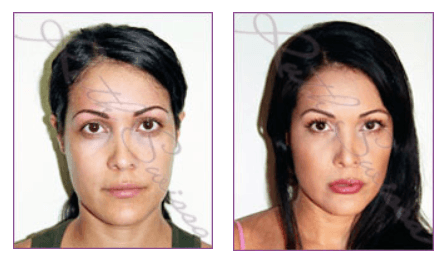
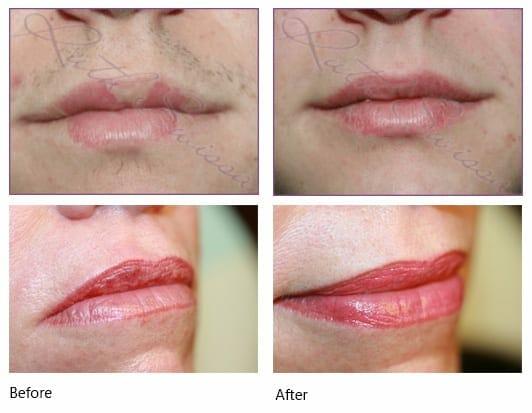
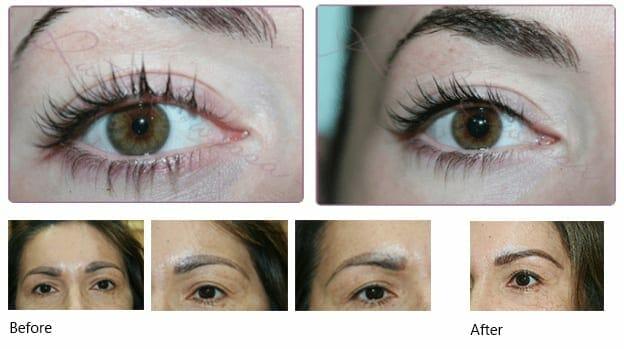
Ruth first studies the color, saturation, placement, age, and condition of the existing work. Covering, lightening, removal, waiting, or no new pigment can each be the responsible answer.
Bring the existing work into view
Some work can be adjusted with new design or color; dense, misplaced, or unstable pigment may need time or a removal consultation before additional tattooing is considered.
Request assessmentCorrection begins with an honest assessment
Some work can be adjusted with new design or color; dense, misplaced, or unstable pigment may need time or a removal consultation before additional tattooing is considered.
The existing work sets the boundaries
Ruth maps the desired direction against what is already in the skin and explains which changes appear feasible without promising that every prior result can be covered.
Bring the full treatment history
Share dates, techniques, removal attempts, reactions, skin conditions, medications, and any records you have. Avoid fresh procedures on the area before assessment.
Correction may require staged decisions
Color and skin need time to settle between steps. Each next recommendation is based on the actual healed response, not a predetermined number of sessions.
Natural by design
See the philosophy behind subtle permanent makeup
Ruth Swissa shares an approach centered on proportion, restraint, and results that work with the features already present.
Treatment imagery
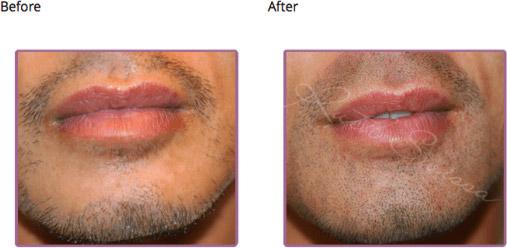
Correction choices
Compare covering, lightening, removal, and waiting
Before correcting permanent makeup
Questions about old pigment, skin, timing, and realistic change
01What determines whether permanent makeup correction is appropriate for me?+
Some work can be adjusted with new design or color; dense, misplaced, or unstable pigment may need time or a removal consultation before additional tattooing is considered.
02What history should I share before permanent makeup correction?+
Share dates, techniques, removal attempts, reactions, skin conditions, medications, and any records you have. Avoid fresh procedures on the area before assessment.
03When should I assess the change from permanent makeup correction?+
Color and skin need time to settle between steps. Each next recommendation is based on the actual healed response, not a predetermined number of sessions.
Consultation for permanent makeup correction
Let Ruth evaluate the pigment already present
Share clear photos, treatment dates, color changes, reactions, and any removal history so Ruth can discuss whether covering, lightening, waiting, or leaving the area alone is most responsible.
Ask Ruth