Decide whether strokes suit your skin and goals
Microblading · Beverly Hills and Calabasas
Natural-looking brows built around the hair and shape you already have
Ruth Swissa maps brow proportion for clients across Los Angeles, then compares manual microblading, machine-created nano strokes, shading, and combination work. Your skin, natural hair, earlier permanent makeup, and preferred finish decide which one fits.
 Microblading · Beverly Hills and Calabasas
Deciding on microblading
Begin with natural hair, skin, and facial balance
Mapping comes before every pigment mark
Expect brows to soften and fade
Brow design
Choose strokes, shading, or combination work for your starting point
Ruth reviews start, arch, tail, balance, and color with you before treatment. Fresh strokes appear sharper and darker than the healed brow.
Plan brows- 01Decide whether strokes suit your skin and goals
- 02Mapping comes before every pigment mark
- 03Prepare the skin and disclose prior work
- 04Expect brows to soften and fade
Brow design before technique
See whether strokes, shading, or a combination fits
Natural hair, skin behavior, pore pattern, earlier pigment, and the finish you want determine whether microblading is the right method—or only one part of the plan.
Bring your natural brows and previous pigment into view
Bring photos of your bare brows and details of any earlier pigment; Ruth uses them to judge whether strokes will hold up in your skin or whether another technique would serve you better.
Plan browsDecide whether strokes suit your skin and goals
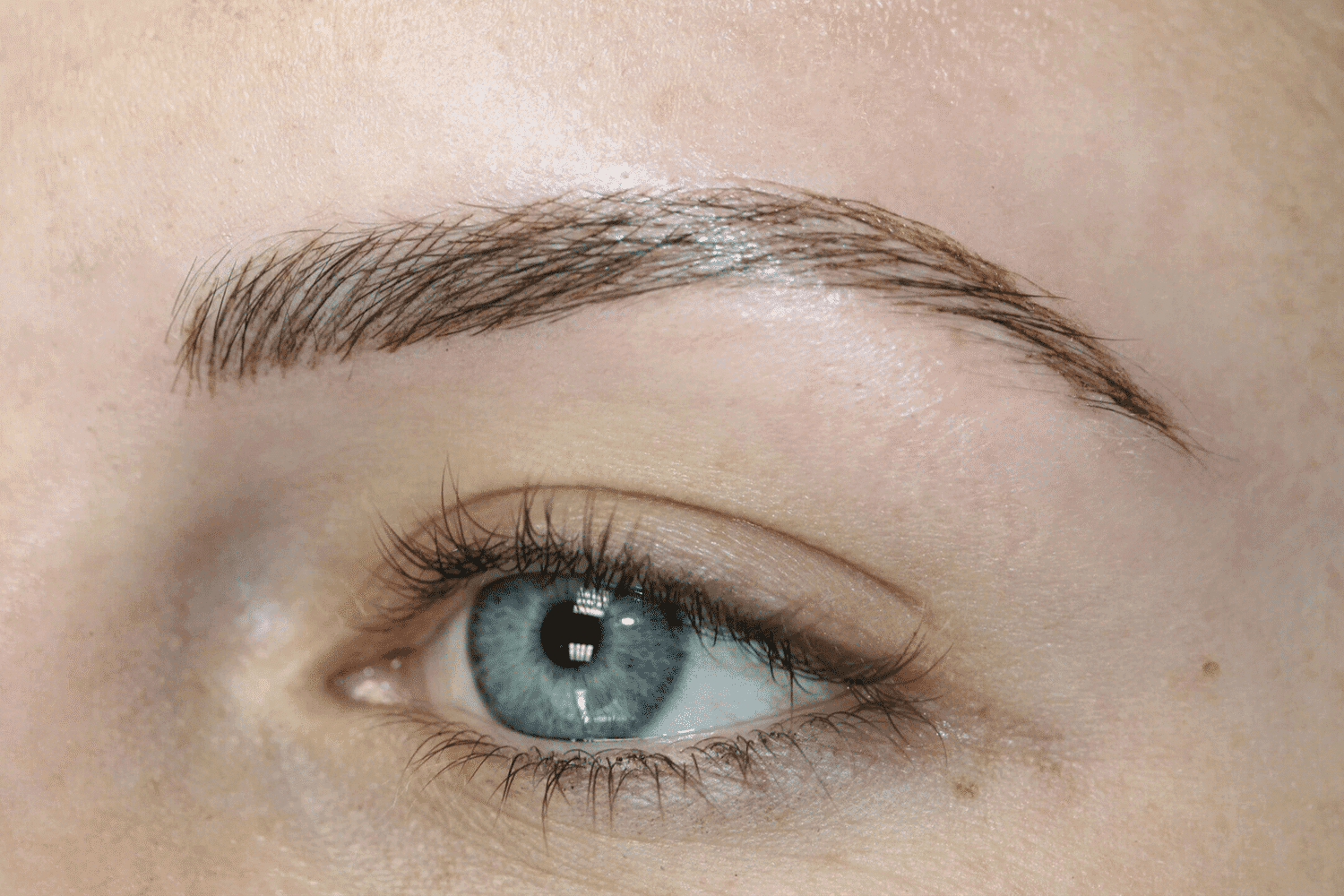
Microblading may suit selected sparse areas or shape concerns, but skin type, pore pattern, natural hair, earlier permanent makeup, and desired definition may point to nano strokes, shading, combination work, or no new pigment.
Mapping comes before every pigment mark
Ruth reviews start, arch, tail, balance, and color with you before treatment. Fresh strokes appear sharper and darker than the healed brow.
Prepare the skin and disclose prior work
Share skin conditions, allergies, medications, recent procedures, active products, and all prior brow tattooing. Existing shape, color, saturation, and skin condition determine whether correction, lightening, more fading, or no immediate treatment should come before new strokes.
Expect brows to soften and fade
Retention is influenced by skin, healing, sun, products, and lifestyle. Follow-up and refresh decisions are based on healed pigment, not a fixed promise.
Technique in focus
Watch how a natural brow plan takes shape
See Ruth Swissa's microblading approach, then weigh manual strokes, machine-created nano strokes, shading, and combination work against your skin and existing hair. Brows with earlier permanent makeup need a separate color, shape, and saturation assessment before more pigment is added.

Meet the artist
A brow plan drawn for the face in front of Ruth
Ruth considers proportion, natural hair, skin, prior pigment, and the amount of definition you want before recommending microblading, nano strokes, shading, combination work, or no new pigment.
Compare brow decisions
- Nano browsCompare machine-created nano strokes with manual microblading, including how skin, natural hair, existing pigment, and the desired finish affect the choice.
- Correction consultFaded, dark, warm, cool, uneven, or misplaced pigment can change the plan. Start with an assessment before adding new strokes.
- Correction choicesCompare correction, removal, further fading, and timing before choosing what—if anything—should happen next.
Brow guides
Build your microblading decision from healed work
The best brow decisions come from looking at healed work, not fresh photos. Start with the planning guide, then read whichever questions are yours: which technique fits, how to time an appointment, or what to look for in an artist.
Start Your Microblading Research With Three Better Questions
Organize microblading research around skin suitability, the finish you want, and healed evidence before choosing a brow procedure.
ExploreHow healing and retention should guide a microblading refresh
Learn how skin, fresh darkness, surface healing, sun, products, technique, and existing pigment affect microblading retention and refresh timing.
Explore
“Natural” Can Mean Hair-Like, Softly Shaded, or Both
Compare hair-stroke, powder, and combination brows by visual texture, skin suitability, natural hair, old pigment, and healed softness.
ExploreBefore microblading
Questions about technique, old pigment, and healed brows
01Is microblading the same as a brow tattoo?+
Microblading is a form of cosmetic tattooing that uses manually placed strokes. The tool, technique, pigment, and intended healed finish differ from traditional body tattooing.
02How do I know whether microblading, nano strokes, or powder brows suit me?+
Your skin type, pore pattern, natural hair, earlier permanent makeup, and the finish you want after healing guide the choice. Microblading may suit selected sparse areas or shape concerns, while other starting points may be better served by nano strokes, shading, combination work, or no new pigment. A consultation is a more reliable guide than a trend or a fresh-work photo.
03Can old brow pigment be covered?+
Sometimes, but not automatically. The color, depth, saturation, and shape of the earlier work determine whether correction, lightening, removal, more fading, or no additional pigment is the appropriate next step.
04What history should I share before microblading?+
Share skin conditions, allergies, medications, recent procedures, active products, and all prior brow tattooing or removal. Ruth assesses existing color, shape, and saturation before planning another pigment pass.
05When can I judge my healed brows?+
Fresh strokes look sharper and darker than the healed brow, so the result is judged after the skin settles. Retention is influenced by skin, healing, sun, products, and lifestyle, and follow-up or refresh decisions are based on healed pigment, not a fixed promise.
Consultation for microblading
Bring your microblading questions to Ruth Swissa
Bring photos of your everyday brows and disclose previous pigment so Ruth can compare shape, technique, color, and timing around your actual starting point.
Book consult