“Best,” “top rated,” “affordable,” and comfort claims tell a prospective microblading client very little about the brows they may carry for years. A stronger Beverly Hills comparison uses healed work, planning decisions, sanitation, and the artist's judgment when treatment should not proceed.
Healed portfolios reveal more than fresh close-ups and ratings
Fresh close-ups can show line placement but not how those lines settle. Ask for healed cases with a starting brow, skin appearance, natural hair density, and desired finish relevant to yours. Look across the portfolio: do the fronts stay soft, do stroke directions relate to existing growth, and are shaded areas balanced rather than heavy? Captions should distinguish immediate work from healed work and identify whether more than one session is shown. No portfolio predicts your outcome, but good context makes the evidence less misleading.
Ask how mapping, skin, old pigment, and technique affect the plan
Provider selection also includes the reasoning before pigment is placed. Ask how the artist evaluates oiliness, visible texture, scars, old color, prior removal, brow products, and recent skin services. Confirm that you will approve a full map and discuss pigment direction. Listen for limits: dark or poorly placed old pigment may require lightening; irritated skin may require waiting; a powder or combination finish may be more suitable than microblading. Thoughtful refusal is a sign of judgment, not a sales failure.
Sanitation and correction judgment belong in provider selection
Sanitation and follow-up deserve direct questions. Which items are single use? How are reusable surfaces and equipment handled? What preparation and aftercare are provided for the specific appointment? Who responds if the area shows an unexpected change? When is retention evaluated, and how does the artist avoid repeatedly packing pigment into saturated skin? These concrete answers are more useful than awards or superlatives. A Beverly Hills location and polished presentation matter for convenience, but what lasts is the quality of the process.
Request one healed case that resembles the real starting point
Instead of asking to see the artist's favorite brows, describe your baseline: amount and direction of natural hair, visible texture, old pigment, scar tissue, and preferred no-makeup intensity. Ask whether the portfolio contains a healed case with some of those same constraints. Study the untreated, fresh, and settled stages if all are available, and find out how long after treatment the final photograph was made. Then ask what the artist would do differently for your skin or history. This specific exchange tests more than visual taste. It shows whether the provider can explain technique selection, mapping, color, and limits without hiding behind ratings or luxury presentation. Complete the comparison with sanitation, single-use materials, follow-up access, correction judgment, and the circumstances in which the artist declines treatment. Beverly Hills convenience can narrow the search, but the deciding evidence should concern healed work and responsible planning on a relevant case.
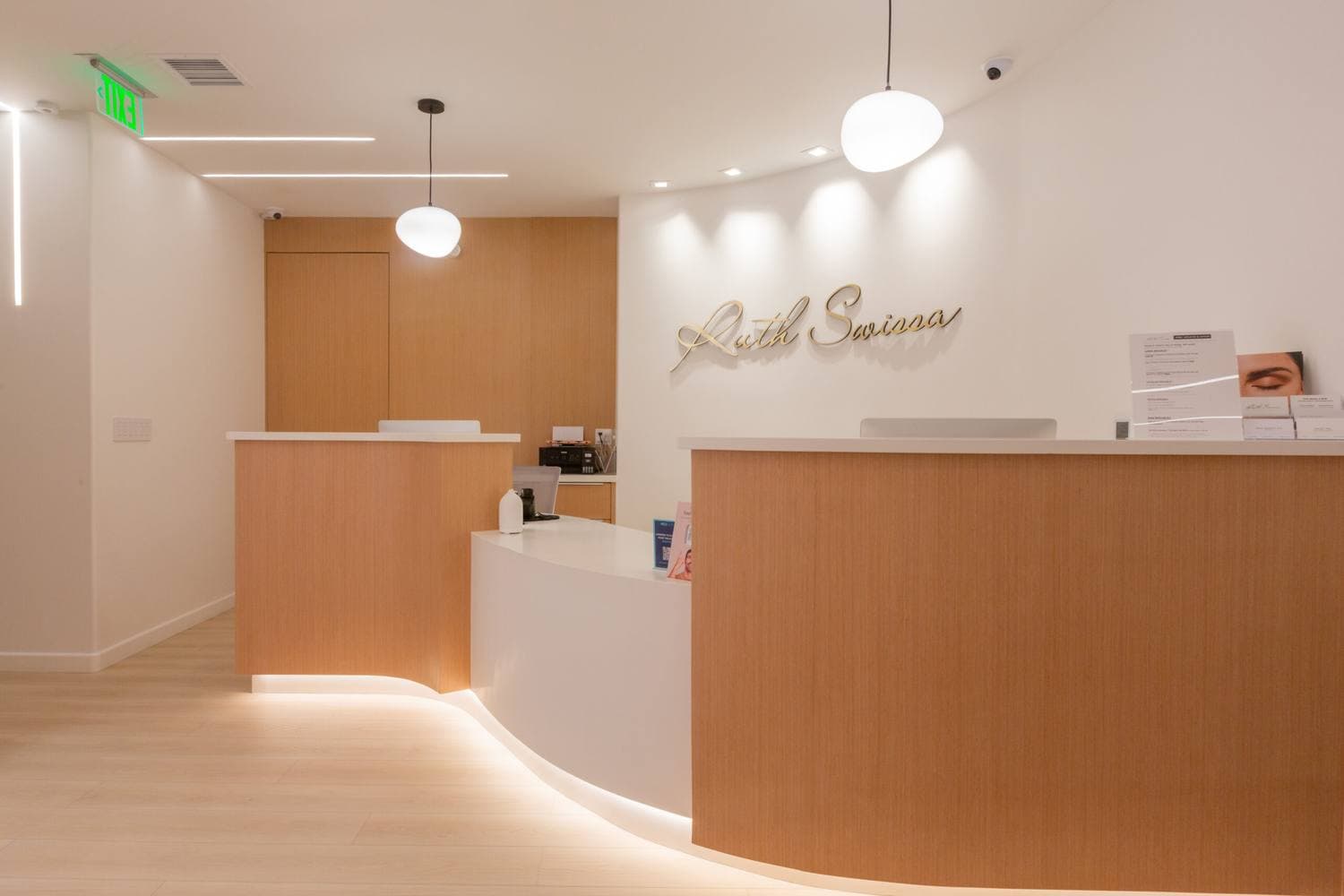
Use these questions while reviewing microblading at Ruth Swissa's Beverly Hills studio.