Real work · individual outcomes

Ruth Swissa Results, Organized by Service

Choose the result category closest to your concern, explore individual outcomes, and compare the candidacy, process, and limitations behind each service.

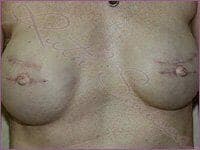
3D areola tattoo results

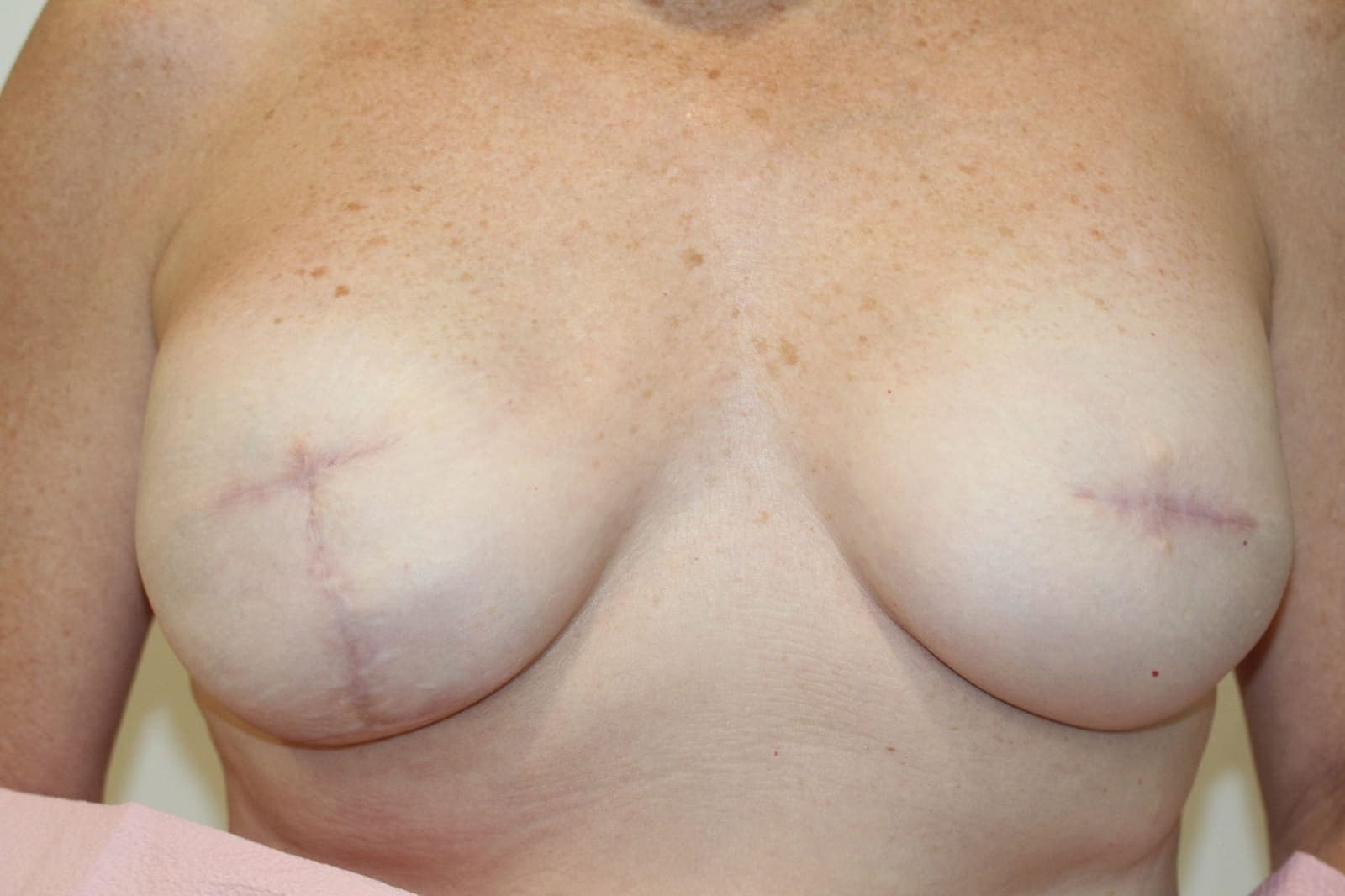
See how color and dimension recreate the areola visually

This example shows how layered pigment can establish shape, tone, and the impression of dimension on healed reconstructed tissue. Fresh color softens as the skin recovers.

View results
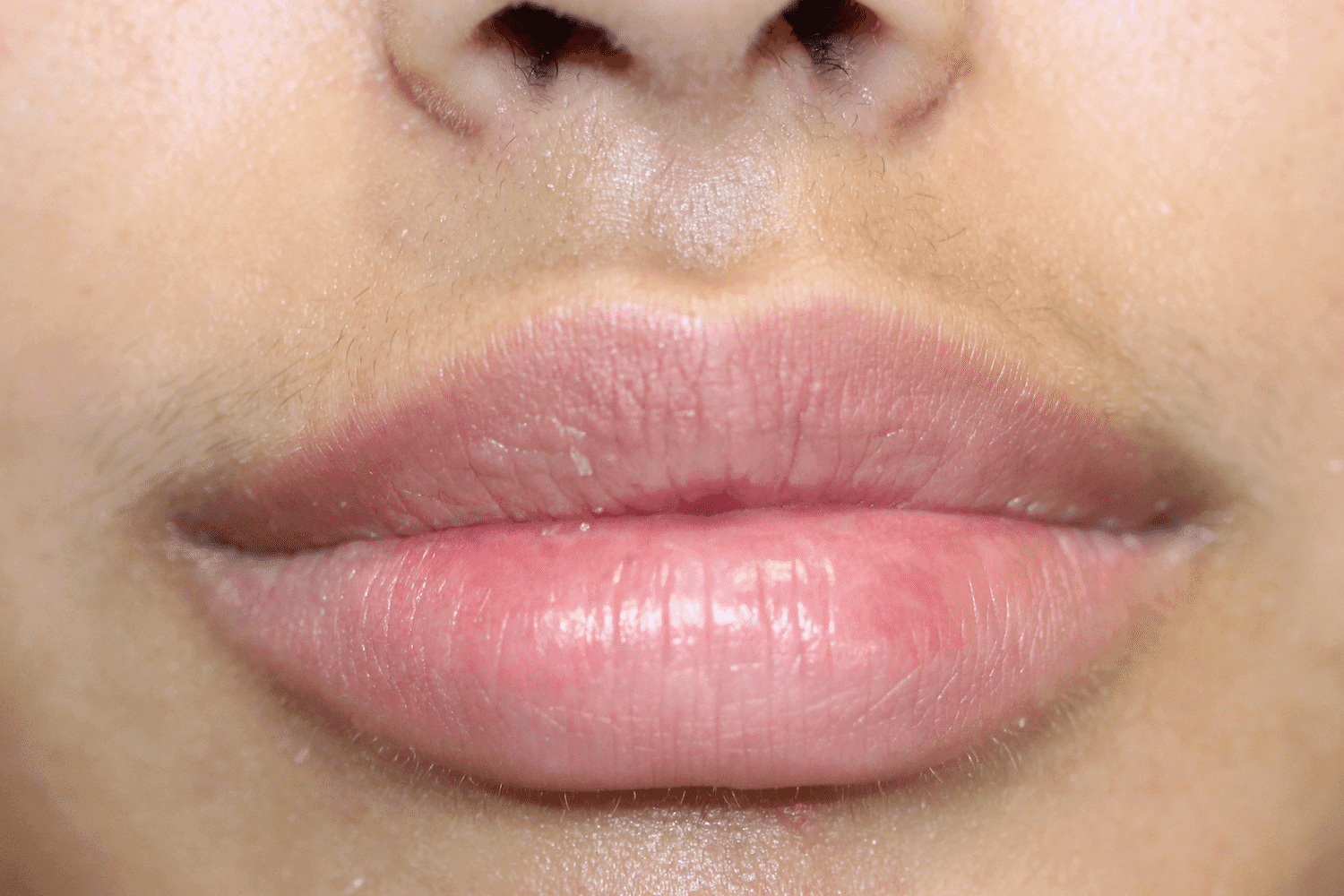
Full-lip color results

Compare coverage, border, and healed softness

These cases show full-lip color across different starting tones and shapes. Look beyond treatment-day brightness to the balance of the border, evenness of coverage, and intended softened finish.

View results

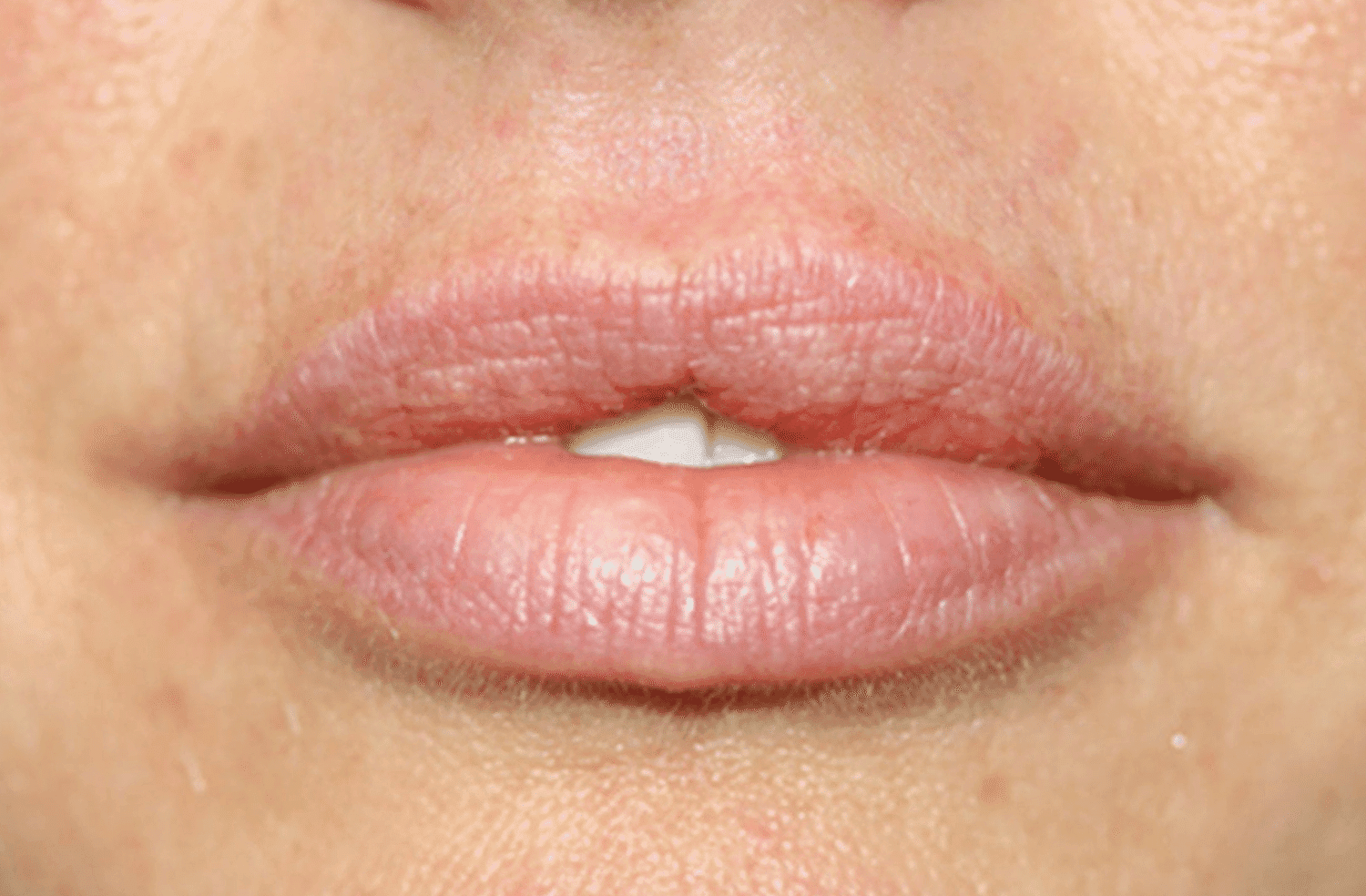
Lip blush results

Compare tone, border definition, and a softened finish

These cases show different natural lip colors, shapes, and color directions. Treatment-day pigment appears brighter; the intended finish is softer after the surface heals.

View results

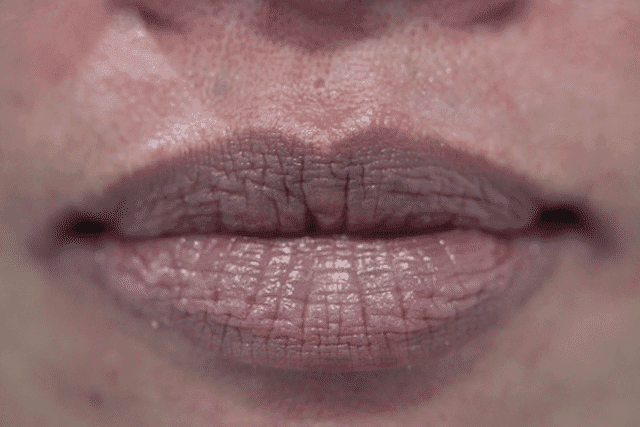
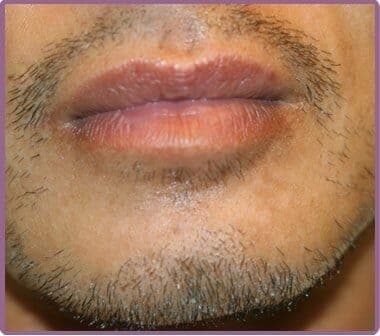
Lip neutralization results

Compare different starting tones and color shifts

These cases show how undertone correction can move darker or uneven natural lip color in a new direction. The number of stages and final color depend on how each lip heals.

View results

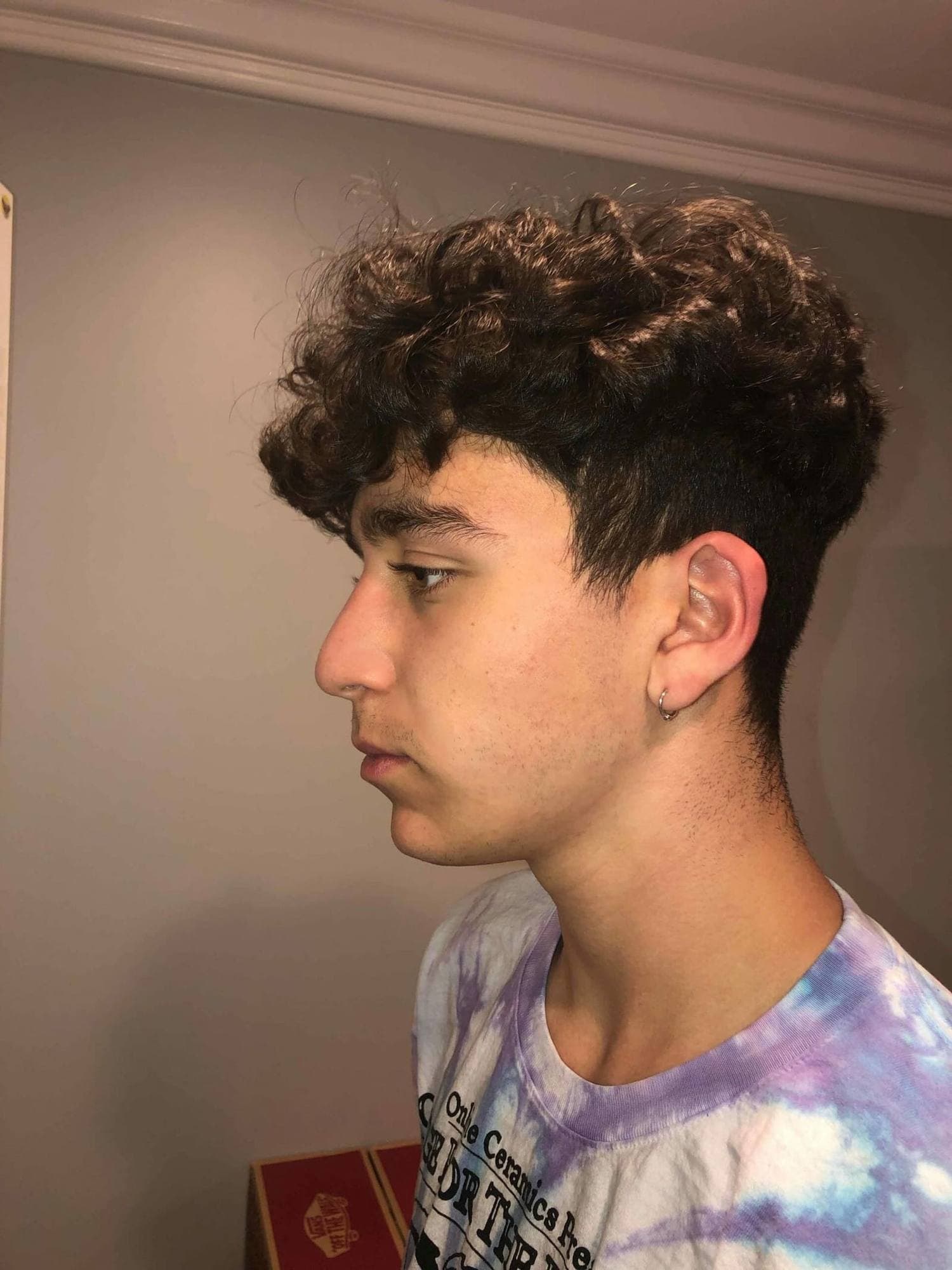
Hair micropigmentation results

Compare density, spacing, and the transition into existing hair

These cases show how small pigment impressions can reduce visible contrast at the scalp. Look at the hairline, the spacing between marks, and how the work meets remaining hair.

View results

Temporary areola results

Preview placement and color without committing to pigment

The before-and-after pair shows the visual change a removable areola tattoo can create. It may help you explore size, tone, and position during recovery or before you consider permanent work.

View results

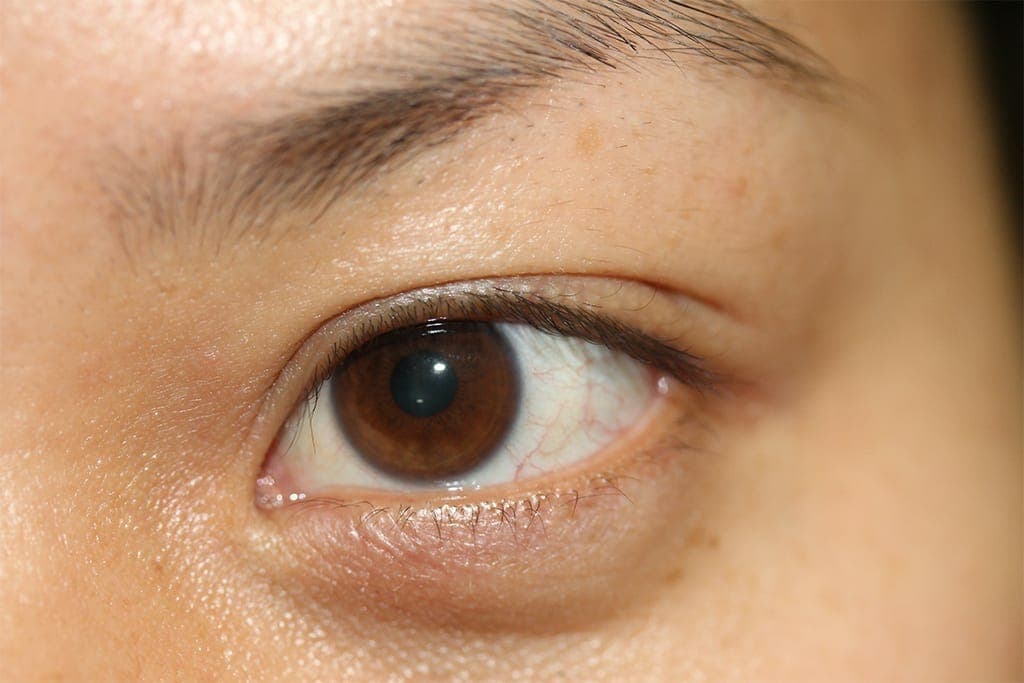
Permanent eyeliner results

Look closely at placement, thickness, and balance

Before-and-after photographs show how Ruth works along the lash line to create definition without overwhelming the eye. During your consultation, compare examples with an eye shape, skin tone, and starting point similar to yours.

View results

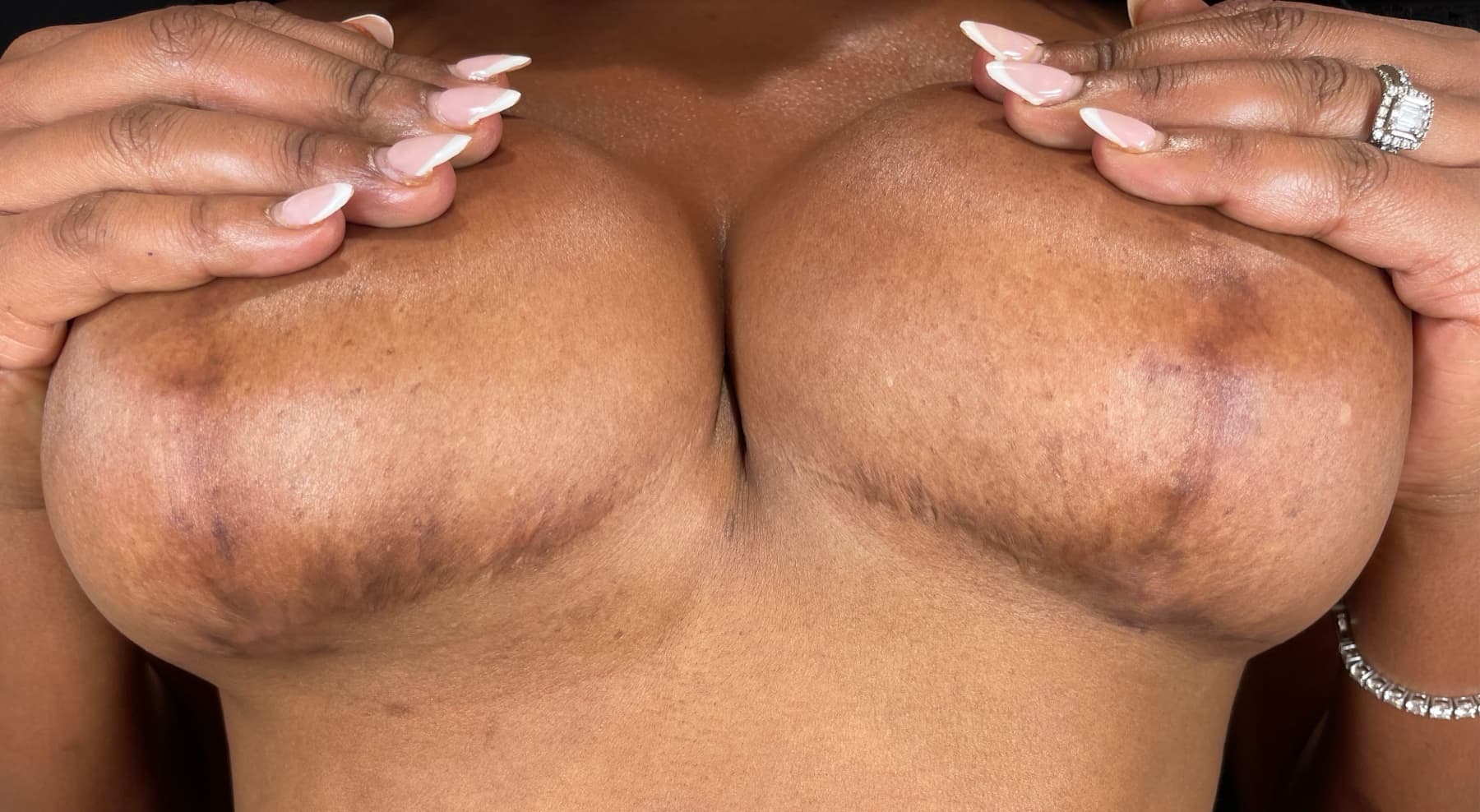
Scar camouflage begins with candidacy

Confirm that the tissue is stable before matching color

Scar type, age, texture, circulation, medical history, and remaining color contrast determine whether pigment may help. Camouflage can address color; it cannot flatten, fill, or medically change scar tissue.

View results

Acne-treatment results

Compare changes in congestion, inflammation, and overall clarity

These photographs show skin before and after a course of treatment. Starting severity, home care, hormones, habits, and medical factors influence both the pace and kind of visible change.

View results

Results need context

Compare your starting point in a private consultation

Published examples show individual outcomes, not guarantees. Ruth Swissa can review examples relevant to your features, existing pigment, or healed tissue.

Book consult