Undertone determines whether neutralization fits
Corrective lip color · Beverly Hills and Calabasas
Shift the appearance of lip tone through careful neutralization
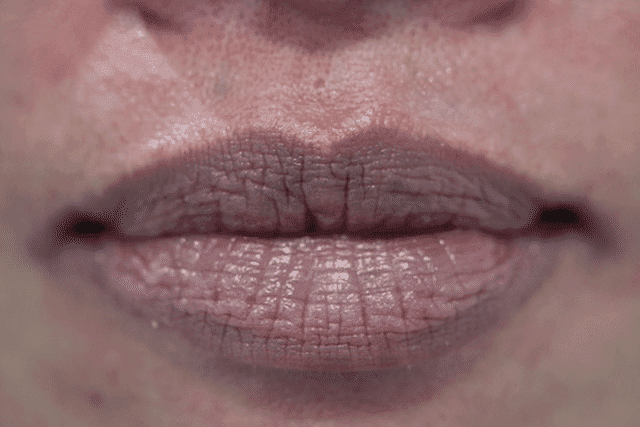
Lip neutralization uses color theory to shift the appearance of naturally dark or cool-toned lip pigment. Ruth Swissa evaluates undertone and explains why the work may take more than one stage.
 Corrective lip color · Beverly Hills and Calabasas
Deciding on lip neutralization
Use undertone to plan a staged color shift
Corrective color is built, not covered in one pass
Assess each healed stage before adding color
Corrective color review
Assess whether neutralization can move toward your target tone
Ruth selects a balancing pigment for your starting tone and explains how the early color will look before it heals. The next decision waits until that stage has settled.
Plan color- 01Undertone determines whether neutralization fits
- 02Corrective color is built, not covered in one pass
- 03Protect lip health before treatment
- 04Assess each healed stage before adding color
Lip neutralization results
Compare different starting tones and color shifts
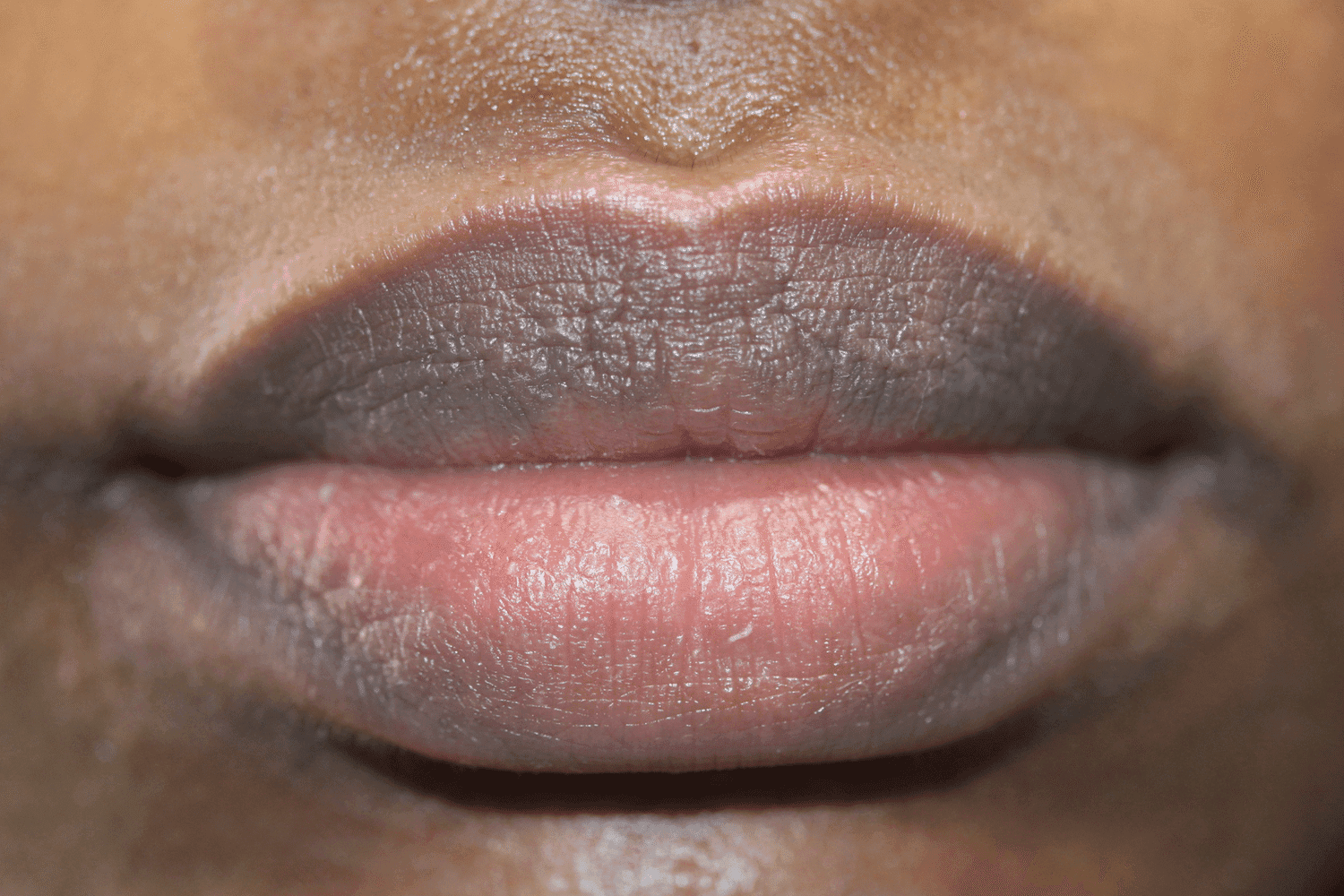
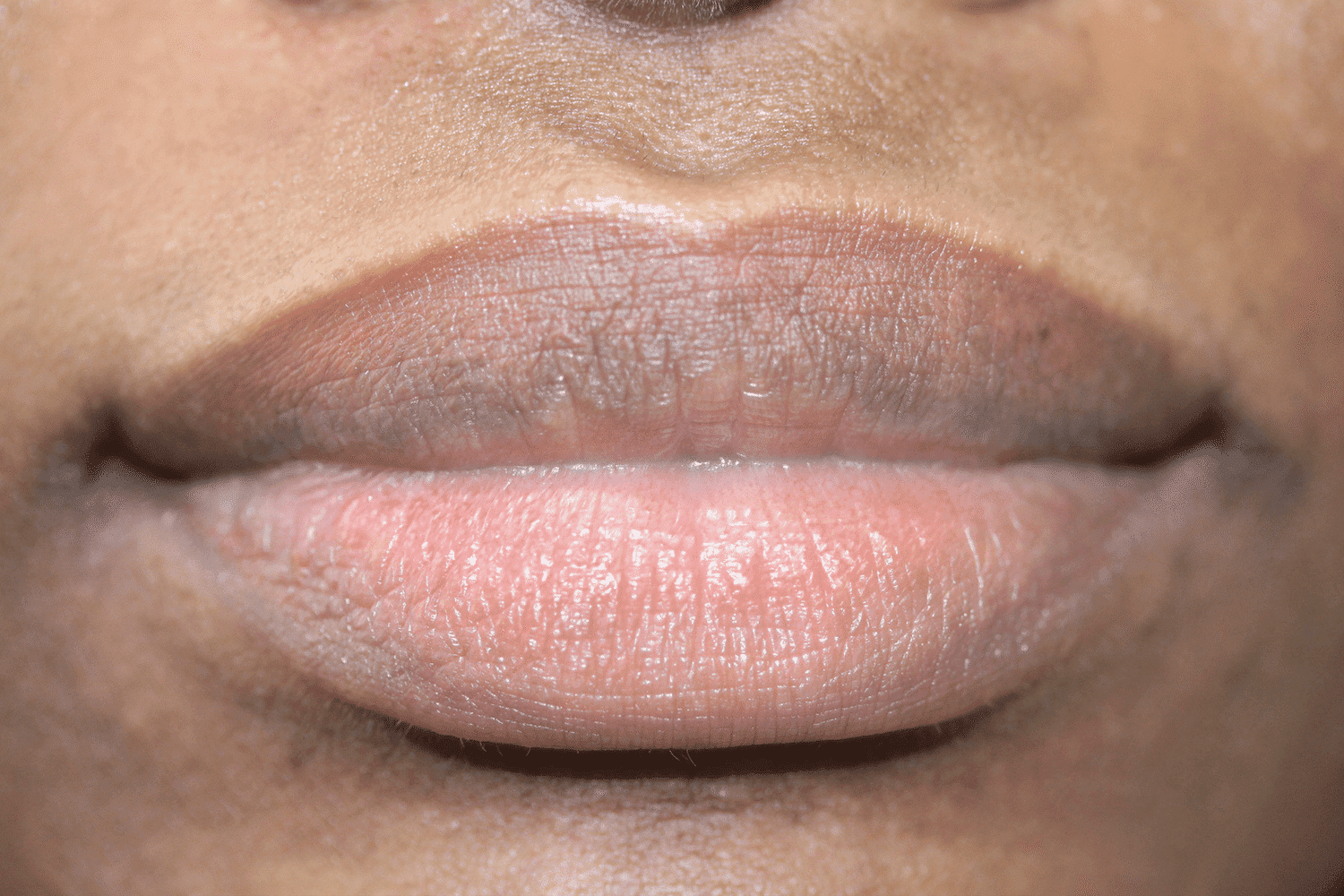
These cases show how undertone correction can move darker or uneven natural lip color in a new direction. The number of stages and final color depend on how each lip heals.
Before treatment · 1 of 6
Undertone determines whether neutralization fits
Natural pigmentation, color distribution, skin and lip history, prior tattooing, healing response, and the requested endpoint all affect candidacy.
Corrective color is built, not covered in one pass
Ruth selects a balancing pigment for your starting tone and explains how the early color will look before it heals. The next decision waits until that stage has settled.
Protect lip health before treatment
Discuss cold sores, allergies, medications, filler, irritation, and previous pigment. Medical antiviral guidance may be appropriate for patients with a relevant history.
Assess each healed stage before adding color
Response varies across the lip and from person to person. Additional neutralization or a target lip-blush tone is considered only after healing.
More neutralization cases
See how much one lip differs from another
Before-and-after photographs show individual neutralization cases. They illustrate variation rather than a fixed number of sessions or a promised final shade.
Treatment imagery
After neutralization
Compare neutralization, lip blush, and full-lip color
Why lip neutralization is planned in healed color stages
Understand how undertone, natural pigmentation, corrective color, healing, retention, and the target tone can make lip neutralization a staged process.
ExploreNeutralizing a Starting Tone Is Not the Same as Adding a Blush Color
Compare lip neutralization and lip blush by starting pigmentation, first treatment goal, staged healing, and eventual color direction.
ExploreThe Starting Undertone Determines the First Color Step
Understand why lip neutralization begins with the existing undertone, uses staged color decisions, and waits for healed evidence.
ExploreBefore lip neutralization
Questions about undertone, stages, healing, and target color
01What determines whether lip neutralization is appropriate for me?+
Natural pigmentation, color distribution, skin and lip history, prior tattooing, healing response, and the requested endpoint all affect candidacy.
02What history should I share before lip neutralization?+
Discuss cold sores, allergies, medications, filler, irritation, and previous pigment. Medical antiviral guidance may be appropriate for patients with a relevant history.
03When should I assess the change from lip neutralization?+
Response varies across the lip and from person to person. Additional neutralization or a target lip-blush tone is considered only after healing.
Consultation for lip neutralization
Bring your lip neutralization questions to Ruth Swissa
Share photos of your lips in natural light and any earlier lip tattooing so Ruth can assess the undertone and explain how the color shift would be staged.
Discuss tone