Identify the starting undertone before selecting corrective pigment
Lip neutralization uses color theory to influence the appearance of selected dark or cool pigmentation. It is an elective color option, not a correction that natural pigmentation inherently needs. The conversation should begin with the person’s preference and a realistic visual endpoint.
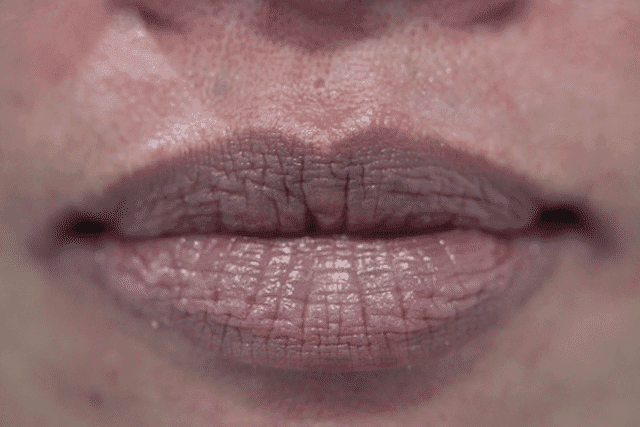
Starting undertone is only part of the canvas. Distribution across the upper and lower lip, old tattoo color, scars, active irritation, filler history, and tissue health can alter both candidacy and pigment choice. Ruth needs to see the lips in neutral light before selecting a balancing family.
Photographs can record the starting point, but camera processing may shift reds, browns, and cool tones. A reference image communicates direction rather than a formula to copy. The chosen color needs to make sense against the actual lip, not a screen.
Let each corrective layer heal before adding the next color decision
Fresh corrective pigment may look brighter or more unexpected than the intended healed direction. Swelling and surface recovery can also change the apparent border and uniformity. Those early stages are not a reliable basis for adding another color.
Each application changes the next starting point. Ruth can assess the distribution, retained undertone, saturation, and tissue only after an appropriate healing interval. That review may support repeating a neutralizing step, modifying the palette, waiting longer, or stopping.
No responsible plan can promise a fixed number of visits. Different areas of one lip may respond differently, especially when previous pigment or tissue variation is present. Cost and scheduling should account for staged decisions without turning a package into an obligation to add color.
Decide when to stop neutralizing and when to consider a target tone
Neutralization and a final lip-blush shade are related but separate choices. Once the starting undertone has shifted, a person may prefer the result as it is, request another balancing stage, or consider a target tone. The healed lip determines which options remain sensible.
Cold-sore history, medication, allergies, filler, irritation, and previous tattooing should be revisited if anything changes between sessions. Medical antiviral guidance belongs with the appropriate clinician. A cosmetic calendar should never override a new health concern.
Result images only mean something when you know whose lips they are, which session they show, how long they healed, whether the lighting matches, and that the person agreed to share them. An isolated “after” frame cannot show how many layers were applied or whether a target shade has already been added. Ask for context that makes the comparison honest.
The border should be assessed separately from tone. Neutralizing internal color does not automatically require extending or reshaping the lip outline. Ruth should map any proposed edge decision and keep it distinct from the corrective palette.
Daily movement, food, drink, products, and sun all interact with the lip area. Follow the current lip-specific care directions rather than adapting a brow or eyeliner routine. Contact the practice when a response differs from the expected stage.
Maintenance comes later than neutralization. Once the color direction is settled, future fading can be reviewed like other permanent lip color, with the decision based on what remains rather than an automatic annual visit.
Cost should be discussed by stage because the number of sessions cannot be known from the first photograph. Ask how Ruth prices the initial application, a healed assessment, an additional neutralizing layer, and a later target tone. That structure helps you understand the commitment without assuming that every possible step will be needed. For an individualized undertone and staging discussion, review lip neutralization consultations.