Lip neutralization and lip blush can both involve permanent lip pigment, but they do not begin with the same problem. One seeks to shift a starting undertone; the other generally adds or refines a desired color. Choosing the wrong label can create unrealistic expectations about the first session.
Identify whether the first goal is correction or color enhancement
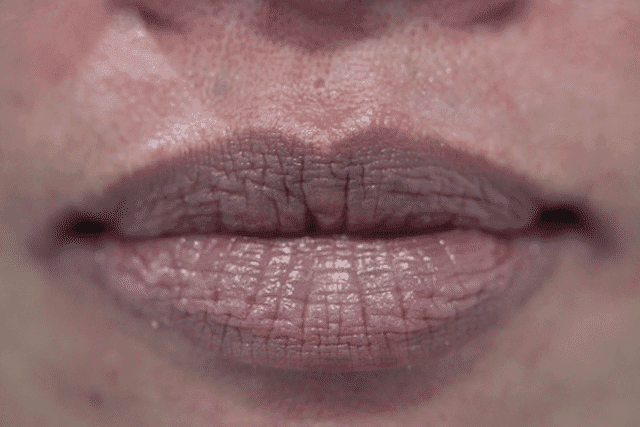
Neutralization is considered when the client wants to change the appearance of naturally darker, cooler, uneven, or previously altered lip color. The first pigment is selected in response to that starting tone. Its purpose may be correction rather than the final shade. That distinction should be described respectfully: natural pigmentation does not require treatment. The question is whether the person wants a change, whether the tissue is suitable, and whether staged color work offers a reasonable approach to the visual goal.
How starting pigmentation changes the pigment sequence
Lip blush usually refers to adding a wash of color, refining visible definition, or building a fuller field of permanent lip color. Starting tone still influences every formula, but a client who does not need a corrective stage may move more directly toward a target family. Border design, natural asymmetry, old pigment, filler, cold-sore history, and lip health remain important. Neither approach adds physical volume, and neither should extend color outside healthy lip tissue to simulate size.
Why healed neutralization must be assessed before a target shade
Some clients may move from neutralization toward blush only after the corrective stage has healed. Others may need another neutralizing step, a different plan, or no further pigment. The artist should explain what evidence will guide the decision and when the color is settled enough to assess. In Los Angeles, where social images often compress a multi-stage case into one before-and-after frame, ask how many sessions are represented and whether the starting tone resembles yours.
Separate the first color problem from the final color wish
Write two statements before consultation. The first should describe what is present without judgment: darker border, cooler areas, uneven natural tone, old pigment, or another visible condition. The second should describe the desired daily appearance: warmer, softer, more even, more defined, or closer to a particular product family. The artist can then explain whether the first appointment would pursue correction, enhancement, or neither. If neutralization comes first, ask what healed evidence must be seen before the target shade is reconsidered. If blush is appropriate without correction, discuss border, intensity, and starting undertone directly. This two-statement method avoids treating all permanent lip color as one service and discourages language that frames natural darker pigmentation as a defect. It also creates a clearer record when social-media cases show several sessions in one image. The first responsible goal is not always the final visual wish, and naming both protects the sequence.
Start with Ruth Swissa's lip neutralization service, then look at lip blush and full-lip color if enhancement becomes the later goal.