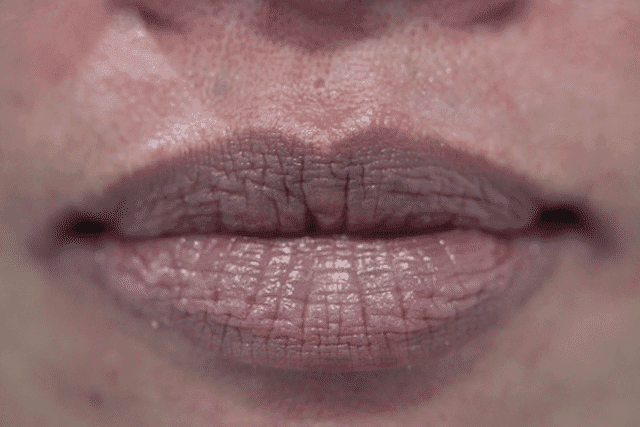
Lip neutralization starts with the color already present, not with the shade the client eventually hopes to wear. The first pigment decision may be corrective, and the healed response to that step determines whether the next conversation continues correction or begins color enhancement.
Neutralization starts with the color present—not the color requested
The artist first studies the natural lip tone, areas of unevenness, undertone, condition of the tissue, and any old cosmetic tattooing. The aim is not to label a naturally deeper color as wrong. It is to understand whether the client wants a visible shift and whether implanted pigment can pursue that goal responsibly. A reference photograph can communicate warmth or softness, but it cannot replace the starting-tone assessment. The same pigment formula will not create the same appearance on every set of lips.
Why each healed stage informs the next pigment decision
Corrective color is commonly discussed as a staged process because the skin must heal before the effect of a pigment choice becomes clear. Fresh color may look unexpected or intense, then appear lighter or uneven during recovery. Adding another formula before the first stage settles makes it harder to interpret what happened. The consultation should explain the purpose of the initial color, what changes will be watched, and why a session count cannot be predicted from a photograph or a general description.
When target lip color can be discussed after correction
After the lips have settled, the artist can assess whether the undertone shifted evenly, whether another corrective step is appropriate, or whether a target blush direction can be considered. The answer may also be to stop. Health history, cold sores, allergies, medications, filler timing, previous pigment, and active irritation remain relevant throughout. A Calabasas plan should prioritize sound intervals and clear color goals over completing the process before an event or within a predetermined package.
Give every color stage a written purpose
Before the first appointment, ask the artist to state the purpose of the initial pigment in one sentence. It may be intended to shift a cool area, reduce visible unevenness, or establish a warmer base for later evaluation. Record that objective separately from the eventual blush color the client imagines. After healing, photograph the lips in comparable natural light and review whether the intended shift occurred evenly, whether more correction is appropriate, or whether the plan should stop. Keeping notes on each stage makes it easier not to judge a corrective formula as though it were the final lipstick shade. It also helps explain why another session, if considered, cannot simply be scheduled to satisfy an event deadline. The consultation should include natural pigmentation, previous lip tattooing, filler, scars, outbreaks, medications, and the condition of the tissue. A careful sequence protects the meaning of each pigment choice and makes the later color conversation more precise.
For candidacy and consultation, review Ruth Swissa's lip lightening and neutralization service.