Choose strokes only when they suit the brow
Beverly Hills · 9730 Wilshire Boulevard
Natural-looking microblading, mapped with Ruth Swissa in Beverly Hills
Los Angeles-area clients can meet Ruth Swissa in Beverly Hills for a brow consultation shaped by natural hair, skin, facial proportion, earlier permanent makeup, and the definition they want to see after healing.
 Beverly Hills · 9730 Wilshire Boulevard
A decision made from your starting point
Let skin, hair, and old pigment guide the technique
Fit the design to hair direction and facial proportion
Assess older permanent makeup before adding new pigment
Beverly Hills consultation
Build the brow plan at the Wilshire Boulevard studio
Ruth Swissa compares the design you want with natural hair, skin behavior, facial proportion, previous pigment, and the care you can realistically follow before recommending a technique.
Discuss brows- 01Describe the shape, density, and finish you wear day to day
- 02Review skin, hair growth, previous pigment, and treatment history
- 03Approve mapped boundaries and discuss color before treatment
- 04Follow individualized care and assess retention after healing
Brow work in context
Compare healed examples that resemble your starting point
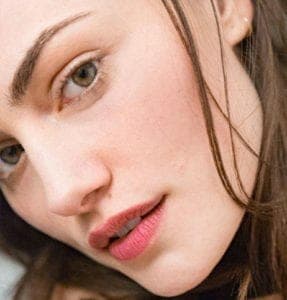
A fresh close-up cannot show settled color or retention. Ask which technique was used, what the brows looked like beforehand, and whether the photograph was taken fresh or after healing.
Ask for the closest relevant brow examples
During consultation, ask to see examples — shared with those clients’ permission — from people whose natural hair, skin behavior, earlier pigment, and desired definition resemble yours. Individual photographs can inform the conversation without predicting your result.
Request examplesChoose strokes only when they suit the brow
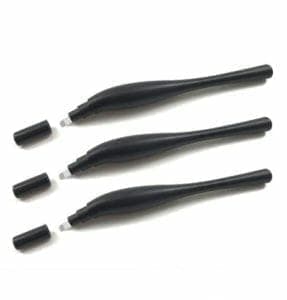
Microblading uses a manual hand tool to place fine cosmetic-tattoo marks that can resemble brow hairs. Sparse or uneven areas may benefit from that detail, while skin behavior, natural density, hair-loss history, or an existing tattoo may point to shading, a combination technique, correction, or waiting.
Map shape and color before pigment
Ruth draws proposed boundaries and discusses color against the brows you have now. If older pigment is visible, its placement, saturation, and undertone must be assessed before new strokes are considered; adding color is not automatically the responsible correction.
Prepare from your own health and skin history
Share prior brow tattooing or removal, skin reactions, allergies, medications, active products, facials, peels, lasers, waxing, and irritation. Do not stop a prescribed medication or change your skin-care routine on your own; follow the instructions Ruth gives you for your plan, and ask the prescribing clinician before changing any prescription.
Judge the result after the brows settle
Fresh brows can look darker, sharper, or warmer before they soften. Follow the written aftercare supplied for your appointment and contact the practice about unexpected healing concerns. Retention and fading vary, so refinement or later maintenance should be discussed from the healed brows rather than a fixed interval.
Technique, tools, and artist
See how fine brow strokes begin with a larger design decision
Watch Ruth Swissa demonstrate microblading in context, then look closely at the manual tool and the artist behind the work. The choice still begins with your natural hair, skin, old pigment, and intended healed finish.
Meet Ruth Swissa
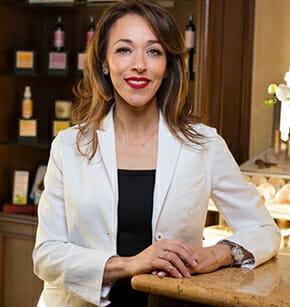
Brow design grounded in fine-art training and close observation
Ruth maps each brow against your own features before discussing strokes, shading, combination work, correction, or waiting. The photograph here is of Ruth herself rather than a treated brow.
Treatment imagery

Make the next decision
- Prior pigmentHave faded, saturated, uneven, warm, cool, or misplaced brow pigment assessed before another pass is planned.
- Correction choicesCompare covering, lightening or removal, further fading, and waiting when existing permanent makeup changes the canvas.
- Prepare and healStart with safe preparation boundaries, then follow the written aftercare supplied for the treatment Ruth selects.
- Studio detailsFind the current Wilshire Boulevard address, Beverly Hills telephone number, and appointment details before traveling.
- Calabasas optionCompare the Calabasas studio when that location better fits the consultation, treatment, and follow-up plan.
Plan beyond the appointment
Prepare, compare techniques, and make room for healing
What to bring to a Beverly Hills microblading consultation
Prepare for a Beverly Hills brow consultation with information about prior pigment, skin care, recent procedures, daily makeup, design goals, and healing time.
ExploreChoose the Brow by Its Healed Structure, Not “Nano” as a Trend
Compare machine-created nano strokes with manual microblading by skin, natural hair, old pigment, healing, aftercare, and the intended result.
Explore
Ignore “Best” and “Top Rated”—Look at the Healed Brows
Evaluate Beverly Hills microblading through healed portfolios, mapping decisions, pigment judgment, sanitation, and correction boundaries.
ExploreBefore you choose microblading
Understand technique, sensation, recovery, and fading
01How does microblading create brow detail?+
A manual hand tool places fine cosmetic-tattoo marks that can resemble natural brow hairs. Ruth first considers hair direction, skin, shape, color, and existing pigment because strokes are only one way to build definition.
02How should I prepare for a Beverly Hills brow consultation?+
Share previous tattooing or removal, skin conditions, reactions, allergies, medications, active products, recent facials, and upcoming treatments or events. Do not change a prescribed medication without guidance from the prescribing clinician.
03What does microblading feel like?+
Sensation varies by person and by area of the brow. Ruth can explain the comfort options available for the appointment, but how a cosmetic-tattoo procedure feels differs from one person to the next.
04What should I expect while microblading heals?+
Brows often look darker and more defined at first, and the surface can move through visibly uneven stages as it recovers. Follow the written instructions you receive at your appointment rather than a one-size-fits-all product or moisturizing routine.
05How long will my microblading last?+
Pigment gradually fades, but the pace depends on skin, technique, color, sun exposure, skin-care habits, aftercare, and prior tattooing. Ruth assesses healed retention before recommending refinement or future maintenance.
A Beverly Hills brow consultation
See whether microblading fits the brows you have now
Bring bare brows, everyday makeup references, prior-pigment details, and the healed level of definition you prefer. Ruth can map the design and explain which brow technique best fits that starting point.
Book consult