A performer, presenter, production professional, or anyone preparing for an important event may want brows to look finished on a specific date. Microblading cannot create a settled brow at the end of the appointment. The calendar needs to include the consultation, treatment decision, visible healing, and enough margin to assess retained pigment without rushing the skin.
Assess the brows before choosing a treatment date
An in-person assessment comes before schedule promises. Ruth Swissa looks at the natural hair pattern, current shape, skin condition, oiliness or dryness, sensitivity, scar history, and the brow you want to see after healing. Active irritation, infection, a lesion in the treatment area, recent sunburn, or another procedure affecting the same skin can make postponement or medical review more appropriate.
Existing brow pigment changes the decision. Its color, saturation, shape, and placement may limit where new hair strokes can remain visible. Another microblading pass is not automatically the answer when old pigment is present; correction, a different technique, more fading, or no additional pigment may be the responsible recommendation. Bring clear information about previous brow procedures and, when useful, older photographs showing how the color changed.
The goal also matters. Hair-stroke microblading, shading, and combination work create different visual effects and may not suit the same skin or existing pigment. Ruth can map a proposed shape and discuss technique, but candidacy cannot be determined from a shoot date, a neighborhood, or a reference photograph alone.
Leave room for visible healing before close-ups and events
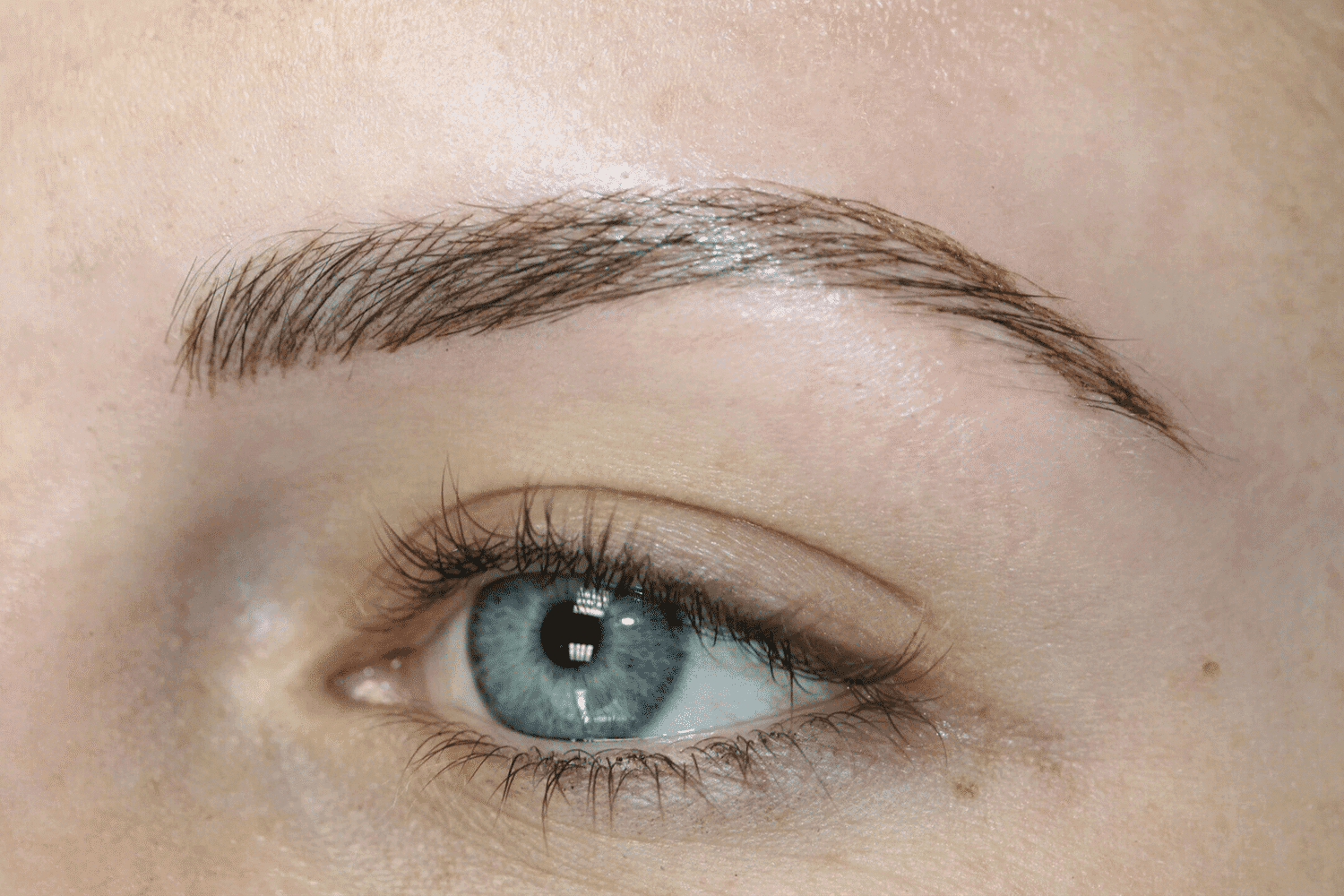
Fresh brows may look darker, sharper, warmer, or shinier than they will after healing. Temporary redness or swelling can be visible, and the surface may pass through uneven-looking stages as it settles. Close lenses and strong lighting can emphasize changes that are less noticeable in everyday settings. Makeup may also need to stay away from the area during part of recovery.
No single “camera-ready” day applies to every client. Skin response, treatment approach, health history, aftercare, and individual retention affect the timeline. A headshot session, audition, wedding, live appearance, or close-up shoot should not be placed immediately after treatment on the assumption that redness will be gone or color will already look settled.
Work conditions can conflict with aftercare in less obvious ways. Long days, sweat, heat, costume changes, wigs, water scenes, special-effects products, makeup application, and travel may make the written care plan difficult to follow. Share the actual conditions with Ruth, not only the first production date. When the available window cannot support care and visible recovery, postponing pigment is safer than compressing the timeline.
Judge retention only after the brows have settled
Fresh darkness is not the final color, and a lighter transitional stage is not proof that more pigment should be added immediately. Retention, color, stroke definition, and balance are evaluated after the skin has recovered. Treating an uncertain area too early can place pigment before Ruth has enough information about how the first work healed.
Follow the care prepared for your appointment and contact Ruth Swissa’s team when healing differs from what was discussed. Do not pick, scrub, conceal, or add unapproved products to make the brows fit a workday. Severe, rapidly worsening, or urgent symptoms belong with appropriate medical care rather than a routine brow follow-up.
A future session is not automatic. Ruth can compare the healed brows with the original plan and decide whether any adjustment is appropriate. Keep that assessment away from reshoot deadlines, performance dates, and travel so the choice is based on settled tissue rather than pressure to change how the brows look tomorrow.
Protect production continuity and event timing
Mark auditions, fittings, headshots, continuity days, close-up filming, live appearances, travel, swimming, strenuous work, and major personal events before selecting an appointment. Add any period when a makeup artist must work directly around the brows or recreate a look from footage already recorded.
Continuity may remain a concern even after surface healing. A mapped shape or newly defined brow can differ from earlier footage, and the makeup department may need an unchanged reference during an active project. Discuss the proposed change with the appropriate production contact before making it permanent, especially when close-up continuity spans multiple shoot dates.
Studio City clients do not all work in entertainment, but the same planning applies to anyone with a high-visibility commitment. If there is not enough room for assessment, treatment, recovery, and settled review, keep using the removable brow method you already understand and choose a later appointment. A deadline should never override candidacy or healing.
Bring your brow history and complete calendar when you discuss microblading candidacy and timing with Ruth Swissa. A consultation can end with microblading, another brow technique, more time for old pigment to fade, a later date, or no treatment.