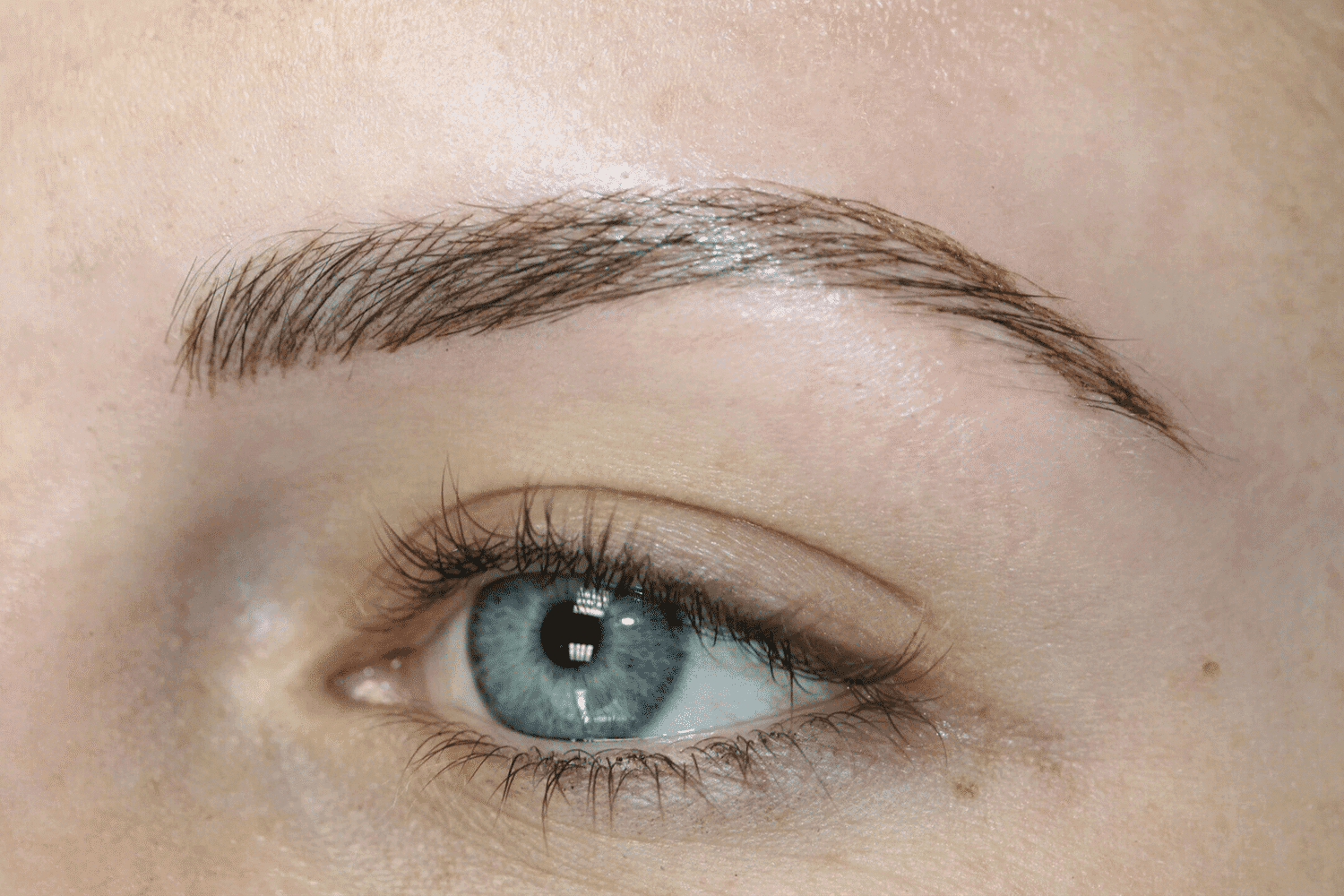
West Hills does not have a separate Ruth Swissa studio. Appointments for this area are handled through the Calabasas location, so the drive should be part of the decision from the beginning. Brow work asks for more than a promising photograph: the artist may need to see skin, natural hair, old pigment, symmetry, and color in person before recommending a technique.
Start with the Calabasas address
The Calabasas studio is at 23622 Calabasas Road, Suite 123, Calabasas, CA 91302. Check traffic for the appointment time you are considering, allow for parking and arrival, and confirm whether the first visit is reserved for consultation or may include treatment after assessment. The Calabasas telephone number is (818) 735-8818.
A location search can make “near me” sound more precise than it is. West Hills clients cross into Calabasas for Ruth Swissa appointments; the practice does not list a West Hills storefront. Knowing that before booking helps you plan around the real destination rather than discovering the travel requirement after choosing a date.
If your schedule is tight, say so when requesting an appointment. The team can explain the expected length and purpose of the visit, but no one should promise that consultation, mapping, and treatment can always be combined. Prior pigment, irritated skin, incomplete preparation, or a candidacy concern may change what can responsibly happen that day.
Review the Calabasas studio details before choosing a time, and use the listed address rather than an old directory entry or search result.
Use consultation to assess candidacy
Photographs are useful for an introduction, but they can flatten texture and shift color. They may not reveal the saturation or depth of old pigment, subtle scarring, oiliness, dryness, irritation, or gaps between the natural hair and a previous shape. An in-person assessment allows Ruth to look at those conditions together instead of choosing a technique from one image.
Bring dates for earlier brow procedures, touch-ups, lightening, or removal. Share the products you use on and around the brows, recent facials or peels, relevant allergies or medications, and any history of difficult healing. If another practitioner worked on the brows, untreated photographs from before that work can help establish what is natural hair and what is pigment.
Come with a desired healed finish in mind. A fresh, dark stroke photograph may not represent the softer result you want to live with. Ruth can discuss whether fine strokes, shading, a combination approach, correction, more lightening, or no additional pigment deserves consideration, but the recommendation depends on the skin and existing work she sees.
Mapping is also an in-person decision. It lets you respond to proportion, arch, thickness, and the relationship between both brows before pigment is placed. Travel time is not a reason to approve a shape that does not feel considered; leave enough room in the appointment for questions and design review.
Protect treatment-day decisions
For a treatment visit, plan to arrive without having to rush directly into another commitment. Traffic stress, a fixed departure deadline, or an important event immediately afterward can make careful discussion harder. Ask in advance what preparation applies to you and what products or treatments should be disclosed, because appointment-specific instructions should guide the final plan.
Build the likely healing period into work, exercise, travel, and social plans. Fresh brows can look darker or sharper before they settle, and temporary skin changes may be visible. Do not choose a treatment date solely because it is the last open slot before a major event. If timing is important, discuss the event first and allow Ruth to explain what can and cannot be predicted.
Arrange transportation in a way that supports your comfort and any instructions given for the appointment. A person with a history, medication, or sensitivity that affects treatment-day planning should raise it before traveling. Candidacy and safety take precedence over completing pigment work simply because the drive has already been made.
Before leaving Calabasas, make sure you understand the written aftercare, whom to contact with a healing concern, and when Ruth expects to evaluate retention. Product use, cleansing, activity, and follow-up timing should come from those personal instructions rather than a universal schedule found online.
Leave room for healing and follow-up
The first appointment is not the only point that matters. Pigment changes as the skin recovers, and a useful review looks at the healed relationship among strokes or shading, natural brow hair, symmetry, and color. Ask before treatment when photographs may be sufficient and when Ruth would want to see the brows again in Calabasas.
Send follow-up photographs in the manner the practice requests, with clear lighting and no brow makeup when instructed. Photographs may help Ruth decide whether healing appears to be progressing as expected, but an image cannot settle every concern. Unexpected symptoms, questions about a medical reaction, or significant healing changes may require guidance from an appropriate clinician rather than a cosmetic decision by message.
Avoid adding pigment early just to reduce the chance of another trip. A healed review should happen at the interval Ruth sets for your work, and any additional color should be based on retained pigment and recovered skin. If the travel schedule cannot accommodate the expected follow-up, discuss that constraint before the first treatment rather than compressing the process later.
When you are ready to choose a Calabasas appointment, request a consultation with your travel constraints and brow history. You can also compare how Ruth approaches microblading for different skin, hair, and pigment starting points.