Coastal living does not require a special kind of microblading. It does require an honest look at the week after treatment and the years after healing. Sun, swimming, outdoor exercise, skin products, and travel affect when an appointment is practical and how Ruth Swissa evaluates brow color over time.
Freshly treated brows need procedure-specific sun precautions
Choose a treatment date when you can follow the written sun, water, cleansing, product, and activity directions Ruth provides for your appointment. Tell her about beach days, ocean or pool swimming, outdoor training, long drives, travel, and upcoming events before reserving the date. If your ordinary Santa Monica week conflicts with fresh-brow care, move the appointment rather than inventing a workaround from social media.
Contact Ruth for routine questions about the aftercare she provided or an appearance that falls within the expected course she described. Increasing pain, spreading redness, pus or drainage, fever, severe swelling, or symptoms beyond those instructions need prompt medical attention. Anything that feels severe or is escalating quickly warrants emergency care rather than a message to the studio.
Skin condition comes before the calendar. Arrive without active sunburn, broken skin, unexplained irritation, or another unresolved change in the brow area. Recent facials, peels, lasers, waxing, injectables, and prescription or over-the-counter skin products may affect timing, so disclose them during planning. Ruth can assess cosmetic tattoo candidacy; a concerning skin change or medical condition belongs with an appropriate clinician.
Share allergies, prior pigment, healing problems, medications, pregnancy or nursing status, and any history of raised scarring when asked. Do not stop or alter prescribed medicine for microblading unless the prescribing clinician tells you to do so. If another provider treats the brow area, coordinate the timing between both professionals rather than guessing at an interval.
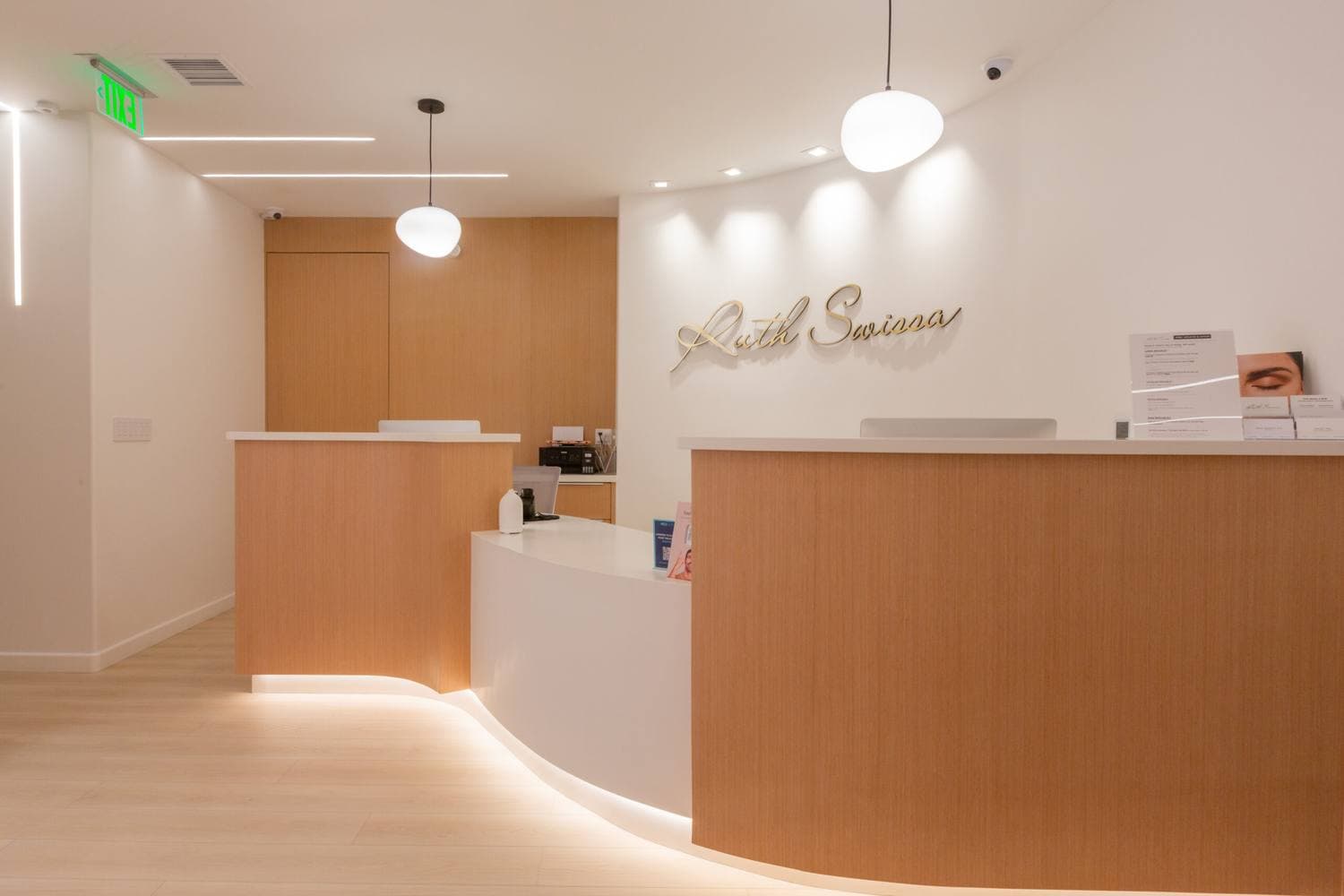
Confirm which Ruth Swissa studio will host the consultation and treatment before planning the trip from Santa Monica. Consider drive time, parking, the possibility of temporary redness or darker fresh color, and whether you can return to the same selected location for a healed review. Convenience matters, but it should not override candidacy or aftercare.
Pigment and surrounding skin do not change in identical ways
Implanted brow pigment and surrounding skin do not respond to time and sun in identical ways. Pigment may soften or shift while nearby skin tans, lightens seasonally, or changes with products and procedures. The visual match can therefore look different in summer and winter even when the brow shape has not changed.
Once Ruth confirms the area is healed, ask what daily sun protection is appropriate for your skin and brow work. Hats, shade, and skin products may each play a role, but fresh treatment follows different instructions from healed pigment. Do not place sunscreen, active skin care, makeup, or another product on newly treated brows unless it appears in the aftercare for your appointment.
Retinoids, exfoliating acids, peels, facials, laser treatments, and repeated friction near the brows can complicate the maintenance conversation. Bring an accurate routine instead of assuming one product caused every change. Ruth needs the whole context—technique, pigment, skin, exposure, products, and desired intensity—to interpret what you see.
No responsible timeline can promise a fixed number of years. Two people with similar-looking brows may retain color differently, and the same person may want a softer or stronger result later. Treat durability claims as estimates, not a warranty.
Use the condition of healed work—not a fixed anniversary—to discuss refreshes
Begin maintenance with the brows as they look now. Ask whether the color still works with your hair and skin, whether strokes or shading remain readable, whether your shape preference has changed, and whether old pigment is already too saturated for another layer. A reminder can prompt an assessment; it should not automatically prompt more tattooing.
Adding pigment to work that is too dark, blurred, uneven, or color-shifted may make later correction harder. Ruth may recommend waiting, changing technique, allowing more fading, discussing lightening or removal with an appropriate provider, or leaving the brows alone. A refresh is optional, and more pigment is not always the most conservative answer.
Plan travel from Santa Monica only after Ruth determines whether photographs are enough for an initial conversation or an in-person assessment is needed. Remote images cannot establish skin condition, depth, texture, or full pigment saturation, but they can help identify what records and questions to bring. Do not book a same-day refresh on the assumption that every older brow is ready for new color.
At an in-person review, describe the present concern rather than asking for an anniversary touch-up: “the tail looks lighter in daylight,” “the healed color is cooler than I prefer,” or “the front feels too dense.” Specific observations help separate a color issue from shape, technique, skin, or changing makeup preferences.
Document the brow under the light it regularly encounters
Before consultation, take one clear photograph indoors near indirect daylight and another outdoors in open shade. Keep filters, portrait retouching, brow makeup, and dramatic directional sun out of the comparison. Photograph both brows from the same distance and include enough surrounding skin to show contrast.
Add short notes about beach time, outdoor exercise, driving exposure, hats, skin products, recent procedures, and seasonal changes around the brows. These observations do not select pigment for Ruth, but they show how the brows live in the conditions you regularly encounter.
After treatment, do not use a photograph from the darker fresh stage as the baseline for fading. Follow the exposure precautions for your appointment and wait for Ruth's recommended healed interval. Later photographs are most useful when lighting, angle, makeup, and camera settings are similar.
Bring the series to maintenance discussions along with the original treatment date, technique if known, previous artist information, and any later procedures. Consistent evidence helps Ruth compare present color and saturation without assuming that coastal living creates one universal refresh schedule.
When your calendar can accommodate fresh-brow care, request a microblading consultation with Ruth Swissa and compare the Beverly Hills and Calabasas locations before choosing where to travel from Santa Monica.