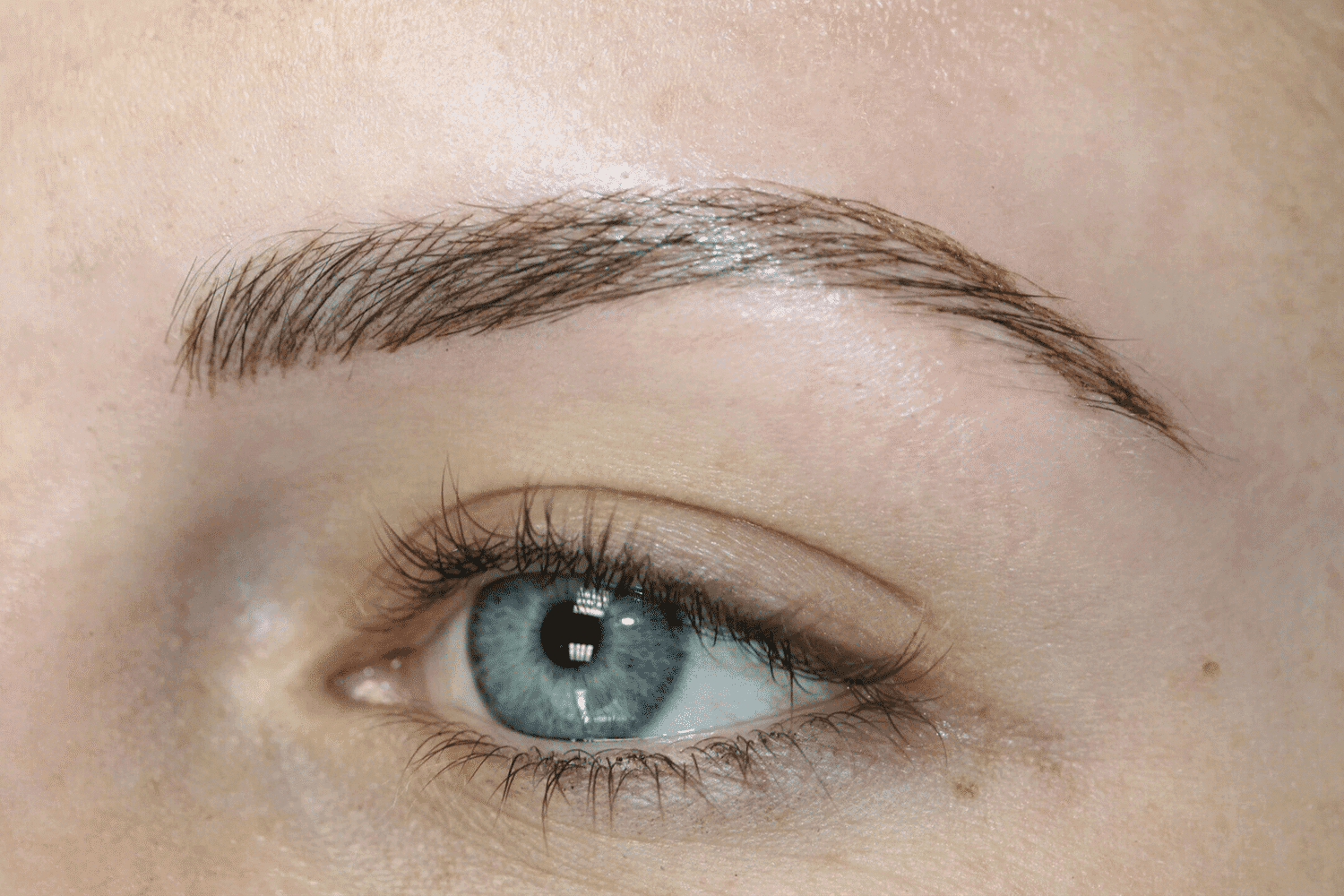
The skin beneath and around the brows matters as much as brow hair. A routine that works elsewhere on the face may leave this area dry, peeling, tender, recently exfoliated, or more reactive than usual. Put every relevant product, prescription, procedure, and skin change on one calendar before choosing a microblading date.
Inventory every retinoid, acid, exfoliant, and prescription
Photograph the front and ingredient panel of everything used on the forehead, temples, brows, and upper eyelids. Include prescription tretinoin or other prescribed topicals, over-the-counter retinol, alpha- and beta-hydroxy acids, exfoliating pads, scrubs, acne products, pigment-focused products, growth serums, cleansers, masks, and spot treatments. For each one, note where it is applied, how often it is used, the last application, and whether it has caused dryness, peeling, burning, redness, or swelling.
Do not group a prescription retinoid and a cosmetic retinol under the vague label “skin care.” Their strengths, instructions, and reasons for use can differ. Bring the exact product name and prescribing clinician's directions. The current DailyMed prescribing information for tretinoin tells patients not to start and stop therapy on their own and to ask their doctor when questions arise. That principle matters more than a universal internet pause interval.
Tell Ruth Swissa about oral prescriptions and supplements that affect bleeding, healing, immunity, or skin condition, but do not change them for a cosmetic appointment unless the responsible prescriber instructs you to do so. Ruth can assess the visible brow area and decide to modify or postpone cosmetic tattooing. Medication selection, dose, interruption, and restart remain with the clinician who manages that medication.
If the product name or instructions are unclear, delay the scheduling decision until they can be confirmed. Guessing that a cream is “mild” because it is used only a few nights a week does not establish how the skin will respond to repeated microblading strokes.
Place peels, facials, waxing, lasers, and reactions on one calendar
Write down the date, treated area, provider, and known product or device for every recent chemical peel, facial, dermaplaning, microdermabrasion, microneedling, laser treatment, waxing, threading, tinting, lamination, injection, or surgery near the brows. Add anything already booked after microblading. A facial performed on the cheeks may still include steam, acids, massage, suction, or products across the forehead, so confirm the actual treatment area instead of relying on its menu name.
Report sunburn, windburn, chapping, active acne in the brow area, dermatitis, a rash, open or scratched skin, scabs, blisters, swelling, infection, or an unexplained changing spot. A photograph can begin the conversation, but it cannot establish texture, tenderness, intact skin, or treatment readiness. Do not cover irritation with makeup for the assessment or arrive assuming it can be cleared during the same visit.
Microblading places pigment through repeated openings in the skin. The FDA's permanent-makeup fact sheet identifies infection, allergic reactions, granulomas, and keloid formation among tattoo risks. That makes calm, intact skin and clean procedure planning essential; it does not turn an artist into the clinician who diagnoses a rash, lesion, infection, or medication reaction.
When a skin finding is active, worsening, painful, draining, or unexplained, postpone cosmetic tattooing and seek appropriate medical evaluation. A rescheduled appointment is preferable to tattooing through a condition that has not been identified or allowed to recover.
Let the prescriber and artist coordinate any pause or restart
Ask Ruth which nonprescription products should stay away from the brow area before treatment, why, and for how long. For a prescription, take that request to the prescriber and explain that microblading will break the skin in the treatment area. Obtain a clear answer rather than shortening, extending, or inventing a pause yourself.
If the prescriber says the medication should continue, share that answer with Ruth before the appointment. If Ruth cannot proceed while the medication is used, the decision may be to wait or not treat—not to disregard medical instructions. When two providers give different timing advice, pause the cosmetic plan until each understands the medication, procedure, treatment area, and proposed date.
Restart instructions deserve the same precision. Ask when cleanser, moisturizer, sunscreen near the area, prescriptions, retinoids, acids, acne treatments, brow serums, makeup, waxing, threading, tint, and facials may resume. “After healing” needs an observable definition for your appointment, not just a date copied from another person's experience.
Get preparation and aftercare in writing. Keep the prescriber's instructions with Ruth's appointment directions so the sequence is clear. If a medication cannot be interrupted, ask whether placement, timing, technique, or no treatment is the appropriate choice.
Arrive with calm, intact skin—or move the appointment
Check the brows in clean skin and ordinary daylight several days before the appointment and again on treatment day. Look for peeling, flaking, tenderness, unusual redness, swelling, broken skin, scabs, recent picking, new blemishes in the treatment path, or a reaction to a product or procedure. Tell Ruth what changed and when. Do not exfoliate aggressively or add an unfamiliar product in an attempt to make the area look appointment-ready.
Plan the healing period before confirming the date. Fresh brows need procedure-specific care, and the visible early stage may conflict with work events, photographs, swimming, heavy sweating, prolonged sun exposure, travel, facials, or other appointments. Leave room for the skin to settle and for Ruth to assess healed pigment before deciding whether more work belongs.
Follow the written care directions for cleansing, moisture, product avoidance, and contact with the area. Do not pick flakes or scabs. Contact Ruth about routine healing questions. Increasing pain, spreading redness, warmth, pus or drainage, fever, chills, facial or eye swelling, breathing difficulty, or symptoms beyond the expected course need prompt medical attention; use emergency services for an emergency.
Bring to the appointment:
- clear photos of every relevant product label;
- prescription names and the prescriber's instructions;
- dates and treated areas for recent and upcoming skin procedures;
- photographs and dates for any reaction or irritation;
- a list of allergies, prior tattoo reactions, healing concerns, and existing brow pigment; and
- enough calendar flexibility to postpone if the skin is not ready.
Driving in from Sherman Oaks does not make unsettled skin any more ready for treatment. Confirm the studio, timing, and readiness before the drive, and keep the option to move the appointment when the brow area is not calm and intact.
When your product list, procedure dates, and prescriber instructions are ready, review microblading candidacy with Ruth Swissa and ask the team to help you choose a consultation date.