Compare peel formula and depth without choosing by brand alone
The words “chemical peel” cover a light surface refresh and a treatment that takes real recovery. What separates them is the ingredient list, concentration, pH, number of layers, application method, treatment area, and time on the skin. A familiar brand name does not establish how a peel will behave on a particular person, and a stronger option is not automatically a better match for discoloration, congestion, roughness, or fine surface lines.
The condition of the skin on appointment day matters as much as the concern on the wish list. Active irritation, a disrupted barrier, an outbreak, open areas, sunburn, or a recent reaction can make exfoliation inappropriate. A history of pigment change after inflammation or procedures deserves careful discussion. A practitioner should connect the proposed formula to one defined concern and clarify why a lighter treatment, a staged series, a different skin service, home care, or medical evaluation might be preferable.
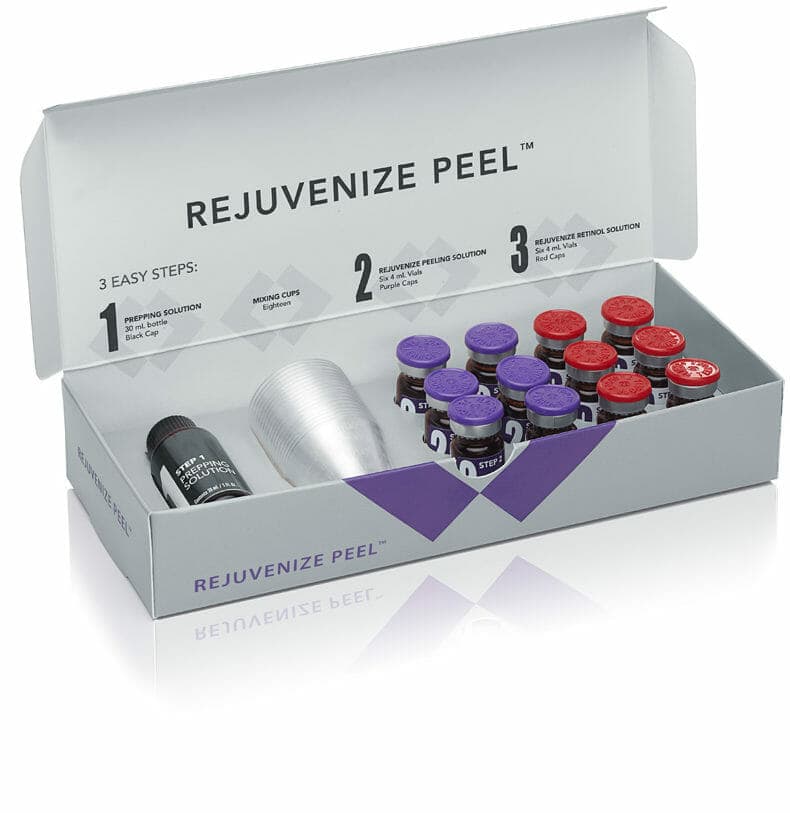
Peel formulas, product availability, and application protocols can change. Confirm the formula currently offered, who selects and applies it, which areas it is intended for, and what instructions accompany it. Marketing categories such as “illuminating,” “vitalizing,” or “precision” do not replace information about ingredients, depth, contraindications, and expected barrier response.
Build a safe timeline around retinoids, acids, waxing, sun, and procedures
A complete product history includes prescriptions and over-the-counter products, even when they are not applied every day. Retinoids, exfoliating acids, acne treatments, scrubs, lightening products, and other active ingredients can affect the barrier or change procedure timing. Photographing labels can be more accurate than recalling a brand from memory. Do not stop a prescription based on general web instructions; the prescriber and the treating professional should provide guidance appropriate to the medication and peel.
Recent waxing, threading, shaving irritation, facials, laser or light procedures, microneedling, injections, and earlier peels belong on the same timeline. Note any unusual reaction rather than only the treatment date. Sun exposure and planned outdoor activity also matter, especially when they limit the ability to prepare or protect recovering skin. Pregnancy or nursing, allergies, medical conditions, and a tendency toward cold sores or difficult healing should be disclosed where relevant.
Timing decisions need exact current instructions because different formulas are not interchangeable. The appropriate pause before treatment, products allowed afterward, and time before restarting an active can vary. Combining advice from several peel brands may create a routine that matches none of them. Follow the written plan supplied for your treatment, and ask the practice before adding another product.
Match visible peeling and barrier recovery to your actual schedule
Downtime is not measured only by whether sheets of skin peel. Redness, tightness, dryness, sensitivity, flaking, and temporary changes in tone can affect work, makeup, exercise, or time outdoors even after a treatment advertised as light. Conversely, visible shedding does not by itself prove that a peel worked better. Recovery reflects the formula, skin, application, and individual response.
Place travel, photography, performances, outdoor events, and other skin procedures on the calendar before booking. Ask when makeup and ordinary products can resume, which moisturizer or sunscreen is approved, what should not be picked or scrubbed, and which changes require contacting the provider. If the schedule cannot support the care plan, choosing a different date or intensity is more responsible than trying to accelerate peeling at home.
Evaluation should occur after the barrier has recovered, not during the most visible stage. Photographs in similar lighting can help compare the original concern, while the practitioner can decide whether another peel, a modified formula, a longer interval, or no further treatment makes sense. Automatic series and precise shedding predictions ignore how much the first response can teach.
Explore Ruth Swissa's chemical peels to discuss current options, candidacy, and preparation.