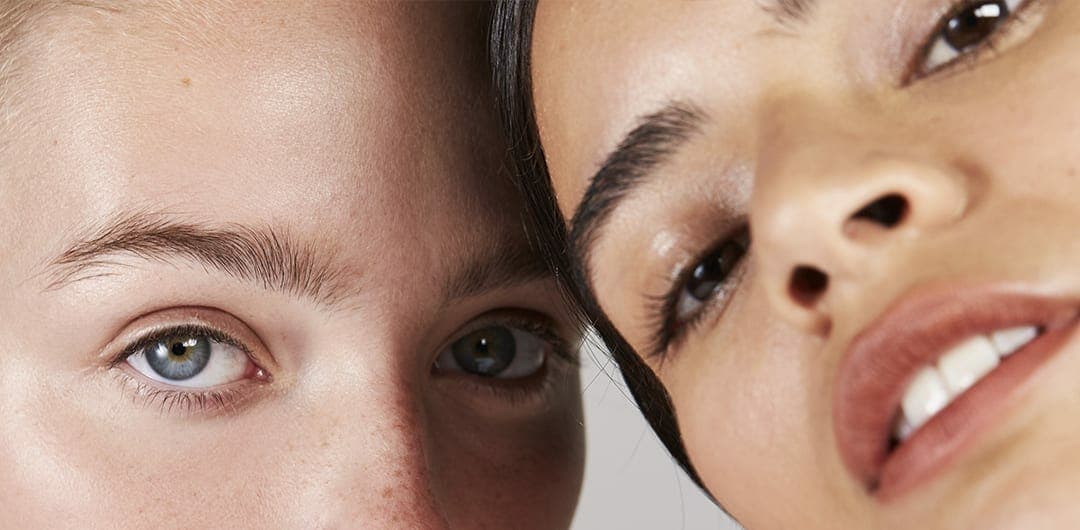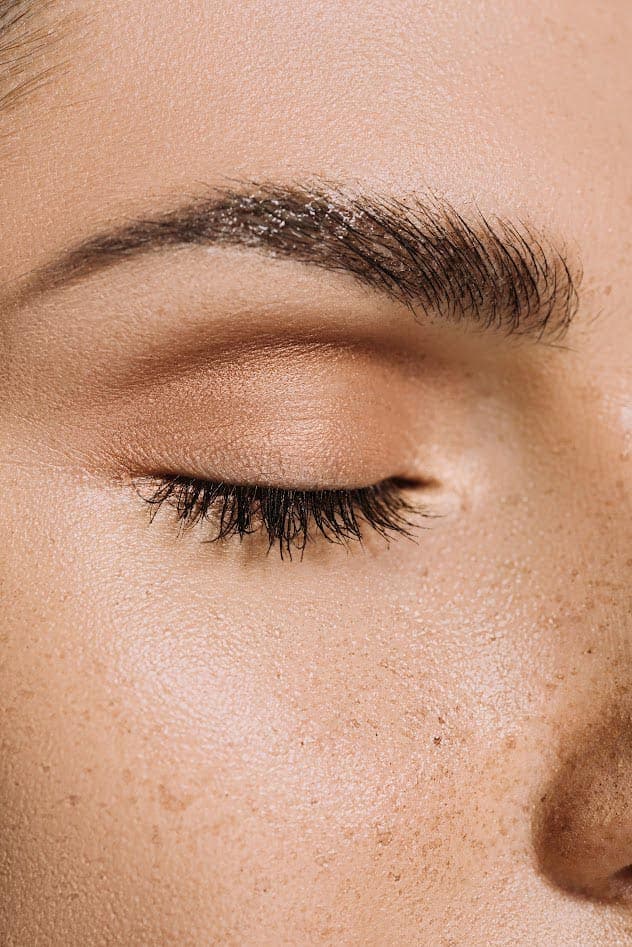
“Eyebrow tattoo” can mean manual hair strokes, machine-created strokes, a powder-like shadow, or a combination of textures. If you are comparing Los Angeles providers, first clarify the healed structure being discussed instead of treating every term as a separate trend.
Why eyebrow tattoo is an umbrella phrase rather than one finish
Microblading uses a manual tool to place stroke-like marks. Nano-brow work generally refers to machine-created fine lines. Powder brows build a field of soft shading, while combination brows use strokes and shade together. These labels describe aspects of application and design; none ensures that the result will look natural on every skin. Ask to see healed examples of the exact visual structure, especially through the front, arch, tail, and any very sparse area. Tool choice matters, but the healed relationship to natural hair matters more.
Let skin, natural hair, and old pigment narrow the options
Skin behavior, natural hair pattern, old pigment, scars, and desired density narrow the options. Very fine strokes may not remain equally crisp in every skin, while shading may provide a more even result in a sparse or previously tattooed brow. Existing dark or misplaced pigment can prevent a clean new map regardless of the technique requested. A responsible consultation may lead to correction, lightening, waiting, or a different finish. That is not a failure to offer the latest method; it is a decision based on the present brow.
Compare photographs with enough context to judge them
A brow photograph is only evidence once you know what it is showing. Is the image fresh or healed? Was the client starting with natural hair, old tattooing, or a blank area? Is the lighting consistent? How long after treatment was the result recorded? Then ask how mapping and color were approved and how maintenance is handled when old marks remain. This approach turns a vague search for an eyebrow tattoo into a concrete design conversation about texture, contrast, shape, and the future condition of the brow.
Compare the same brow goal across different structures
Ask the artist to show how one desired finish could be built with strokes, shade, or a combination. Use the same zones in each discussion: the front, lower edge, middle density, arch, and tail. A stroke-led design may emphasize separation and direction; shading can create a continuous field of softness; combination work can change structure between sparse and hair-rich areas. Then place the untreated brow beside the healed examples. Existing hair may hide some elements and expose others, while old pigment can limit negative space or color choices. This side-by-side exercise is more revealing than comparing procedure names from separate advertisements. It also surfaces the maintenance question: a client who wants a barely made-up finish may respond differently to gradual diffusion than someone seeking visible pencil-like definition. Choose the visual structure after candidacy is assessed, not from the assumption that one tool always creates a more current or natural result.
When you are ready to compare these finishes against your own brows, explore permanent eyebrows with Ruth Swissa and bring healed examples of the definition you do—and do not—want.