Drawing and calligraphy sharpen decisions about line
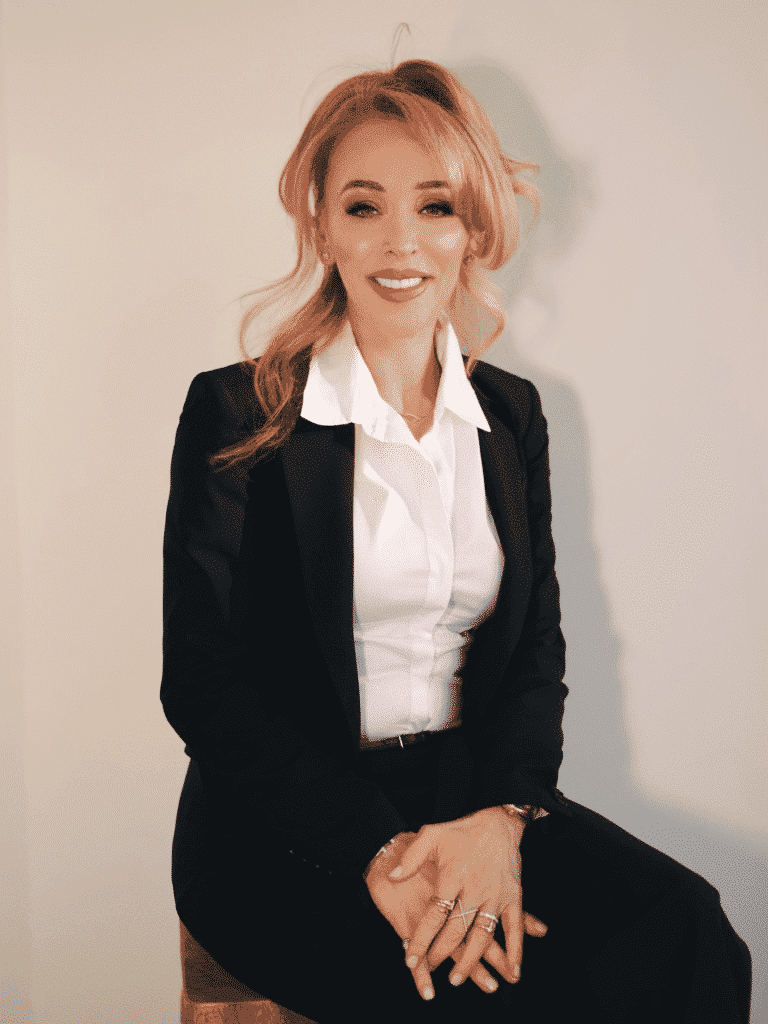
Permanent makeup is often discussed through technique names, yet the visible result depends just as much on what the artist notices before a tool touches the skin. Ruth Swissa studied fine art for eight years, with coursework that included drawing, painting, sculpture, calligraphy, and photography. That background does not make every design decision automatic, but it helps explain why observation, restraint, and proportion are central to her approach.
Drawing trains the eye to compare relationships: where a line begins, how it changes direction, and how one side of a composition relates to the other without becoming a mechanical copy. On a face, those questions matter more than pursuing perfect symmetry. Natural brows, eyelids, and lips move, and their small differences are part of the person rather than defects that must be erased.
Calligraphy brings another kind of attention. A stroke has weight, rhythm, taper, and spacing. That way of seeing is relevant when discussing a brow that should not look stamped on or an eyeliner design that needs to remain in scale with the eye. The comparison is artistic, not a claim that skin behaves like paper. Skin, existing pigment, hair patterns, and healing all place practical limits on the plan.
Painting and color study guide conversations about tone
Color selection is not the same as choosing a swatch in isolation. A pigment is seen beside natural hair, skin undertone, lip tone, previous cosmetic tattooing, and the changing light of everyday life. Painting study encourages the artist to look at those neighboring colors and ask how they influence perception.
For a client, the useful part of that process is a more specific conversation. “Natural” can mean barely detectable to one person and softly polished to another. A reference may show an appealing level of contrast but use a tone that would not translate directly. Existing pigment may narrow the responsible options. Fresh work will also appear different while the skin settles, so the immediate color is not the only color that matters.
Ruth’s photography study adds a related caution: an image is shaped by lighting, lens, angle, editing, and timing. Portfolio photographs are valuable, especially when they show healed work, but a single image should not become a promise that another person will receive an identical result.
A consultation turns artistic judgment into an individual plan
Fine-art training is most relevant when it supports a better decision rather than an elaborate story about credentials. During a consultation, the artist still needs current information: the client’s goal, prior work, skin and health history, comfort with definition, and willingness to live with a long-lasting change. The design should be mapped and discussed in relation to the person in the room.
Sculpture offers a useful analogy here because it asks the viewer to understand form from more than one angle. A permanent makeup plan also has to work beyond a single straight-on photograph. Brows are read when the face turns and moves. Eyeliner changes with the lid open and closed. Lip shape is seen while speaking and smiling. A restrained design pays attention to that movement.
The consultation is also where limits belong. An artist can recommend a softer direction, explain why a reference is not transferable, or decide that existing pigment needs a different next step. Good judgment sometimes means editing the idea, waiting, or declining to proceed.
Ruth Swissa’s art education does not determine a particular outcome. It is context for an approach that values line, tone, proportion, and the whole face. The client’s role is equally important: ask to see relevant healed work, explain what feels authentic, and make sure the proposed design is understood before treatment.
Explore the Ruth Swissa permanent makeup approach before discussing how those design principles apply to your features.