Start with the procedure—not with the nerve block
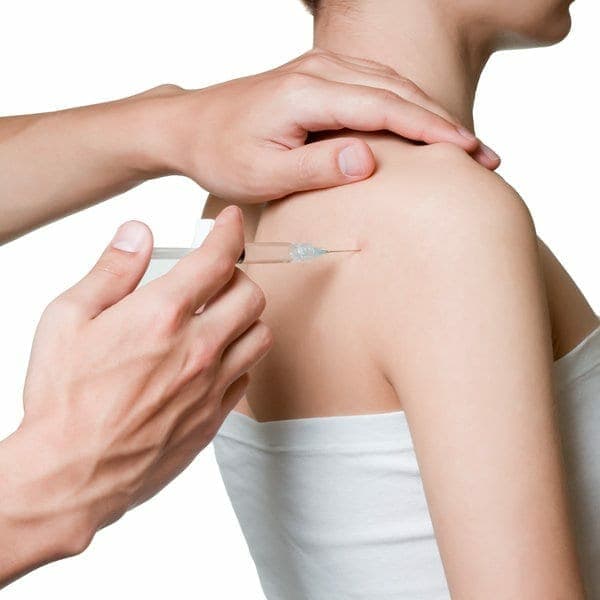
A nerve block is a method of pain management, not a cosmetic outcome. The reason for considering one comes from the procedure being performed, the treatment area, the expected discomfort, and the person’s medical history. A dental nerve block may be considered for selected full-lip micropigmentation procedures, but it is not appropriate for every lip appointment or every patient.
Comfort expectations should be specific. Reduced sensation does not guarantee an entirely sensation-free appointment, and the block does not change the artistic or healing limits of the procedure itself. Those are separate parts of consent.
The qualified treating professional should compare a block with topical anesthetic, local measures, or another comfort approach. Anatomy matters because a nerve or group of nerves serves a specific region. The method that makes sense for one area may have no role in another, and a general description cannot establish dose, placement, or suitability.
Ask why a block is being proposed for the planned procedure and what benefit it is expected to provide. The answer should identify who will administer it and how the comfort plan fits into the underlying treatment. A nerve block should never appear on a menu as though it were a standalone beauty service.
Review anesthetic history, expected numbness, and practical aftercare
Prior reactions to anesthetic, allergies, current medication, bleeding concerns, neurologic or cardiac history, pregnancy, and earlier procedure experiences can all alter the decision. Share that information directly with the clinician before agreeing to the block. Advice from a previous dental or cosmetic appointment may not apply to a different medication, dose, or treatment area.
Temporary numbness changes ordinary activities. Depending on the area, the clinician may give instructions about eating, drinking, speech, touching the treated tissue, driving, or travel. Confirm the anticipated onset, how long altered sensation is expected to last, what feeling may remain during the procedure, and when normal sensation should return.
The answer also needs an escalation plan. Prolonged numbness, unexpected weakness, allergic symptoms, or another concerning change should not be managed by relying on another person's experience. Leave with the correct direct contact and written directions for obtaining appropriate medical care.
If the appointment involves the lips, discuss eating and drinking before leaving the office. Temporary loss of normal feedback can make ordinary habits less predictable, so the clinician’s instructions matter more than a routine copied from another procedure.
Confirm who will administer the block and manage an adverse response
Provider identity is central because a nerve block involves medication and anatomy. Ask for the clinician’s role in the full procedure, the setting in which the block is administered, and who remains responsible if the effect differs from what was expected. Hearing that a nerve block is “available” is not enough until the qualified provider who administers it has been named.
Emergency readiness is part of that conversation. The clinician should review relevant risks, recognize an adverse response, and give clear instructions for urgent and nonurgent concerns. The permanent-makeup artist can discuss the studio process, but medical decisions about anesthesia belong with the professional qualified to make them.
Keep the discussion focused on the proposed procedure, the specific treatment area, and the clinician responsible for the medical portion of care. Broad claims about nerve blocks cannot replace an individualized assessment. That boundary keeps comfort information useful without turning it into a personal prescription.
Before requesting a nerve block, confirm the treating clinician, procedure, medication, monitoring, and recovery details through Ruth Swissa's consultation information.