
Evaluate facial movement before choosing product or dose
Dynamic lines develop in connection with facial movement, but a still photograph shows only one part of the pattern. A qualified injector needs to watch the face at rest and during expression, noting muscle strength, asymmetry, compensating movement, and how previous treatment has affected the area. Skin changes and volume loss may also contribute to a concern that is being described simply as a wrinkle.
The desired level of movement belongs in the assessment. One person may want a subtle softening while preserving expressive motion; another may be asking about a stronger reduction in a selected area. Neither preference can be translated safely into a product or unit count without anatomy, history, and examination.
Medical conditions, medications, pregnancy status, earlier injections, and any unwanted previous response should be disclosed. Confirm who is currently licensed to provide the service and whether the product being discussed is actually available at the location. Ruth Swissa’s permanent-makeup expertise does not mean Ruth personally performs injections, so ask who the licensed injector is.
Ask how dose and placement support the intended level of movement
Botulinum toxin type A products temporarily reduce selected muscle activity. Placement and dose determine which motion is affected, so numbers borrowed from a friend or a social-media diagram are not a treatment plan. Product units are not interchangeable across brands, and a standard map cannot account for individual strength or asymmetry.
Ask the injector to identify the muscle pattern being addressed and how the proposed placement relates to the requested change. Brand names such as BOTOX Cosmetic, Dysport, and Xeomin may come up, but current availability must be confirmed directly with the treating practice. Product selection belongs to the qualified clinician.
A conservative approach can be reviewed after the effect develops, but that does not mean every visit should include an automatic adjustment. The consultation should establish when the response can be judged, what movement is intentionally being preserved, and what finding would make additional treatment inappropriate.
Cost should be connected to the actual plan rather than advertised as a unit total without context. Confirm the product, proposed areas, and follow-up policy so that a low headline number does not obscure a different treatment scope.
Wait for effect, know possible side effects, and plan clinician follow-up
Neurotoxin response develops over time rather than at the moment of injection. Onset and duration vary by product, area, dose, and individual response. Early comparison can therefore misread an effect that is still developing, while a rigid promise about longevity ignores meaningful differences among patients.
Consent should address bruising, headache, asymmetry, unwanted weakness, and risks specific to the proposed area. It should also identify symptoms that require prompt assessment and provide direct access to the injector. Concerns about movement or function should go back to the clinician who performed the treatment rather than being routed through generic cosmetic advice.
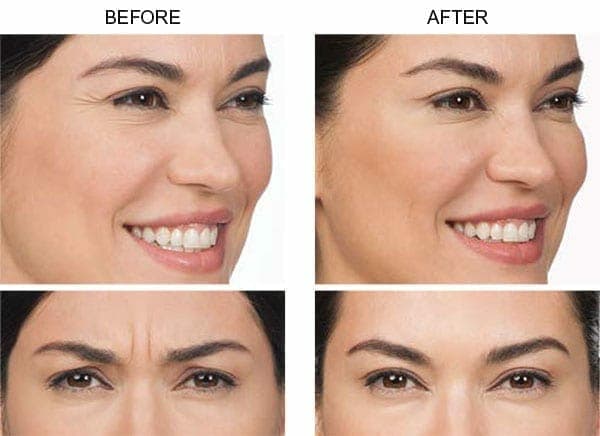
Before-and-after photographs are only meaningful when they show the same person with consistent expression and lighting, identify when they were taken and which product was used, and were shared with that person's permission. A relaxed expression in one frame and an active expression in another can exaggerate the apparent change. Evidence should make the comparison clearer, not manufacture it.
If an outcome feels uneven, wait for the review point supplied by the injector unless a medical concern requires earlier contact. Adding product before the initial response is understood can make the original problem harder to evaluate.
Before booking, ask about neurotoxin treatment and confirm the clinician, product, consultation process, and current availability.