How a temporary product goes on, wears, and comes off
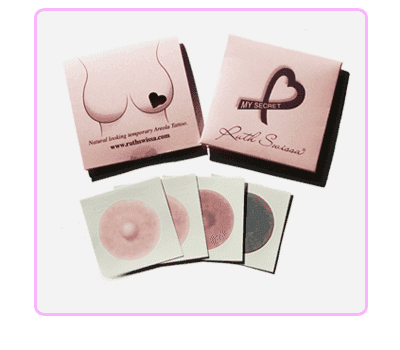
A temporary areola product can offer a visual option without placing pigment into the skin. It may be useful while someone is considering a longer-term decision, waiting for medical clearance, or simply preferring a removable appearance. Product availability, application method, size, color choices, and suitability should be confirmed directly with Ruth Swissa.
Temporary does not mean appropriate for every surface. The skin needs to be considered in its present condition, especially after surgery, radiation, reconstruction, adhesive reactions, or other treatment. An incision, open area, active irritation, or clinician restriction can change whether and when a topical product should be used. Medical guidance takes precedence when healing tissue is involved.
Wear depends on the product and daily circumstances. Clothing friction, bathing, activity, skin products, and application technique may affect the appearance. Removal should follow the current product directions instead of a homemade method that could irritate sensitive skin. A temporary option can help someone explore placement and tone, but it should not be represented as identical to the dimension or wear of a permanent tattoo.
Understand healing, medical timing, customized design, and implanted pigment
Permanent restorative tattooing places pigment in suitable healed tissue and therefore involves a different level of commitment. Timing may depend on surgery, reconstruction, radiation, scar maturation, additional planned procedures, and clearance from the medical team. A photograph can introduce the concern, while an in-person assessment is needed to view tissue condition and discuss limits.
Design is individualized. Position, scale, tone, the relationship between sides, and the visual suggestion of areola and nipple detail are considered together. A portfolio can show artistic possibilities, but another patient’s anatomy, reconstruction, skin tone, and treatment history cannot become a promise for the next person. Healed examples are more informative than fresh work when evaluating color softness.
Healing also distinguishes permanent tattooing from a removable product. Fresh pigment and temporary surface changes can make the result appear stronger before it settles. Written aftercare should be specific to the appointment and coordinated with any medical restrictions. Named ointments, fixed schedules, and automatic refinements should not be copied from generic instructions.
Use readiness, medical guidance, and desired commitment to compare paths
The decision is not simply temporary versus “better.” A person may want a reversible appearance during a period of change, may not yet be medically ready for tattooing, or may value trying scale and placement before considering permanent pigment. Another person with healed, stable tissue may be ready to discuss a customized restorative tattoo. Both paths can be valid at different points.
Practical timing deserves space. Upcoming surgery, travel, imaging, medical follow-ups, or an important event can affect when either option feels manageable. Access to the practice after permanent tattooing also matters because questions and a later color review may be part of the process. The medical team should address restrictions related to ongoing care.
Commitment includes maintenance and change over time. A temporary product can be removed and replaced, whereas implanted pigment heals, softens, and may later need reassessment. Future surgery or tissue change can alter the relationship between the design and the body. Those possibilities should be acknowledged before a permanent decision rather than treated as remote exceptions.
A private consultation can clarify whether the immediate need is visual experimentation, a short-term option, or restorative tattoo planning. For current product and appointment details, see the temporary areola option; permanent tattooing remains a separate, medically timed choice.