Microneedling and surface exfoliation are not stronger and weaker versions of the same treatment. They work at different levels of the skin, create different recovery patterns, and should be compared against one clearly defined concern. The most intensive option is not automatically the most appropriate one.
Controlled channels and surface exfoliation act at different depths
Surface exfoliation can mean physical removal of outermost buildup, as with microdermabrasion, or a chemical peel selected to affect a particular surface depth. Those treatments are not interchangeable with laser or other medical resurfacing. Ask for the exact method and intended depth whenever the word “resurfacing” is used.
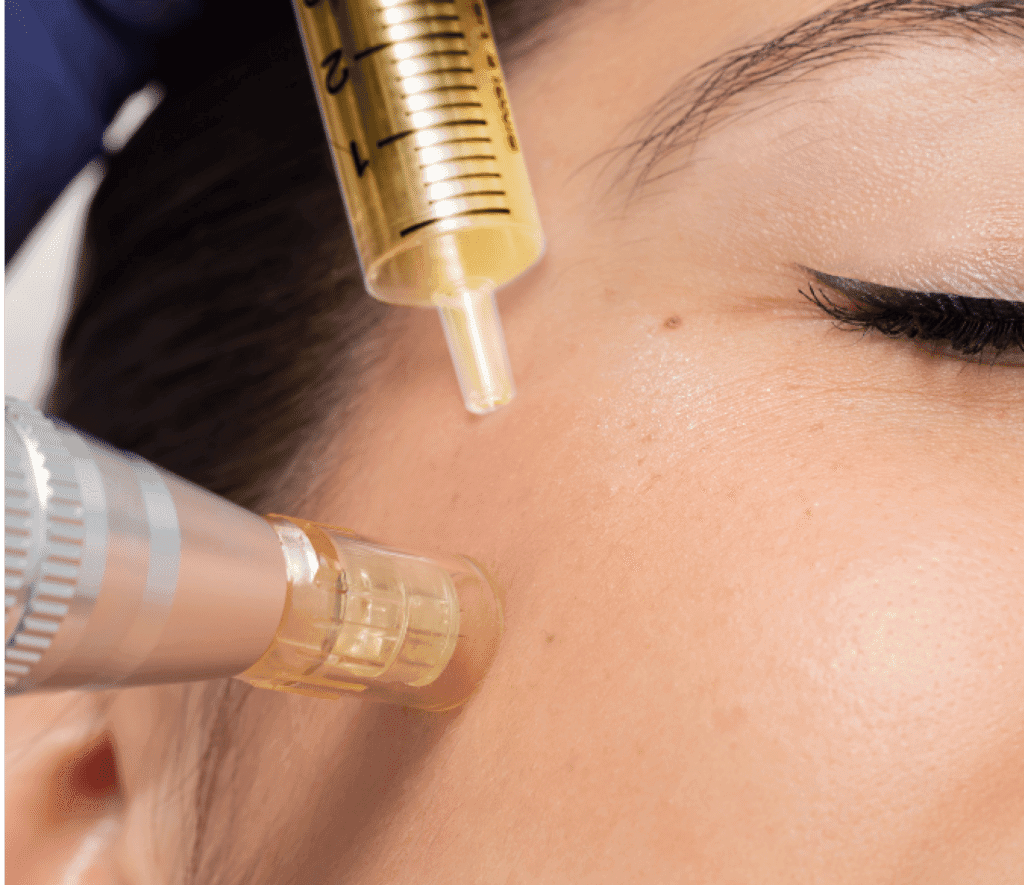
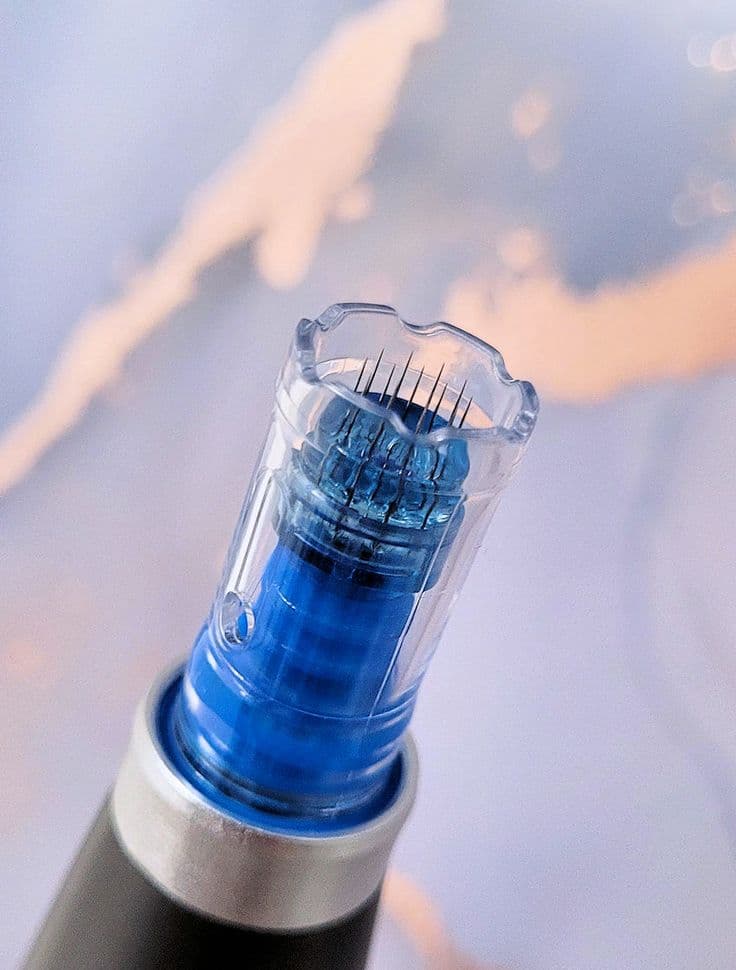
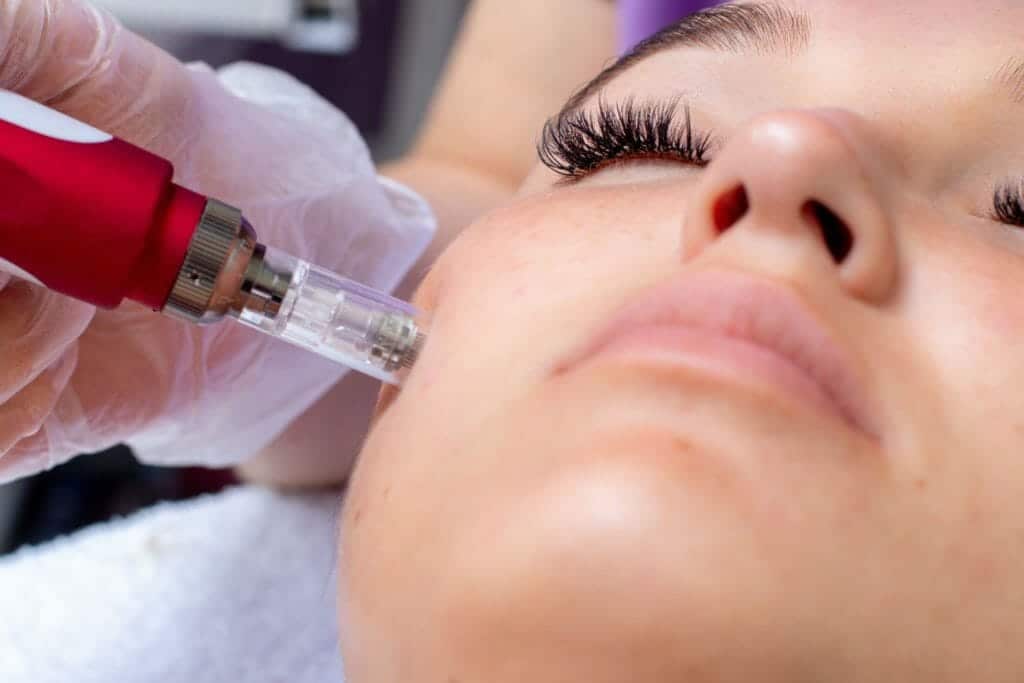
Microneedling uses fine needles to create controlled channels in the skin and prompt a gradual repair response. Needle configuration, depth, number of passes, treatment area, and device settings should be selected for the skin and goal. The difference in depth affects sensation, redness, product pauses, sun precautions, and when any change can reasonably be assessed.

Match texture, scar, and pigment concerns to the right evaluation
Texture, selected acne scars, fine lines, rough surface buildup, uneven tone, and recurring congestion do not share one cause. Outer roughness may be approached differently from an indented scar. Active inflammatory acne is not the same concern as a stable acne scar, and a new or changing area of pigment should not be treated as a routine cosmetic discoloration without appropriate medical evaluation.
Ask what visible feature each option is intended to influence and what it cannot change. Microneedling cannot erase a scar, fill lost volume, or diagnose a skin condition. Surface exfoliation cannot remodel every deeper texture concern, and a stronger peel is not automatically better for sensitive or compromised skin. Adjusting home care, choosing a gentler facial, waiting for inflammation to settle, or consulting a dermatologist can all be more responsible than adding intensity.
Treatment should wait when the area has an active infection, open skin, uncontrolled irritation, or another condition that makes a controlled injury inappropriate. Share cold-sore history, abnormal or raised scarring, active acne, diagnosed skin conditions, recent procedures, medications, and products that affect sensitivity. These details can change timing, depth, or candidacy.
Compare downtime, product pauses, and gradual response—not marketing claims
Treatment burden is part of the decision. Surface exfoliation can produce dryness, flaking, or sensitivity according to the method and depth. Microneedling can produce temporary redness, warmth, tightness, sensitivity, dryness, or flaking. Neither recovery should be reduced to a universal number of days.
Discuss retinoids, acids, exfoliants, sun exposure, recent procedures, important dates, and tolerance for visible recovery. Ask when makeup, exercise, heat, swimming, and active skin-care products may resume. A rushed schedule before a wedding, performance, or travel date is a reason to choose more time, a gentler option, or no procedure.
When microneedling is appropriate, its results are judged gradually rather than from the immediate red or swollen appearance. If a series is proposed, ask how progress will be photographed, when the skin will be reassessed, and what response would lead to continuing, changing, or stopping. Be cautious with promises that rank devices, claim to erase wrinkles or scars, or describe a nonsurgical method as equivalent to surgery.
Adding platelet-rich plasma is a separate clinical decision involving blood collection, processing, provider scope, and consent. Do not assume it is included with microneedling; consider the specific questions to ask before combining PRP and microneedling.
Compare treatments against one visible concern
Choose one concern to evaluate first: rough surface texture, a particular stable scar pattern, fine lines, uneven tone, or recurring congestion. Note when it began, what makes it more visible, and which products or procedures have changed it. Bring the products you use and dates of recent treatments so the barrier and sensitivity discussion is specific.
Ask which level of skin the proposed method is intended to affect and why that depth fits the concern. When considering microdermabrasion or a chemical peel, discuss barrier condition, sensitivity, peel or abrasion depth, and expected surface recovery. When considering microneedling, discuss controlled injury, device settings, candidacy, aftercare, and the delayed timing of assessment.
If several concerns are present, rank them rather than expecting one session to address all of them. A concrete starting goal and photographs taken in consistent lighting make gradual change easier to discuss. They also make it easier to recognize when a gentler treatment, a different approach, medical evaluation, or stopping is the better next step.
At an individualized microneedling consultation, Ruth Swissa can compare the concern, skin barrier, healing history, recent procedures, and the recovery you can accommodate.