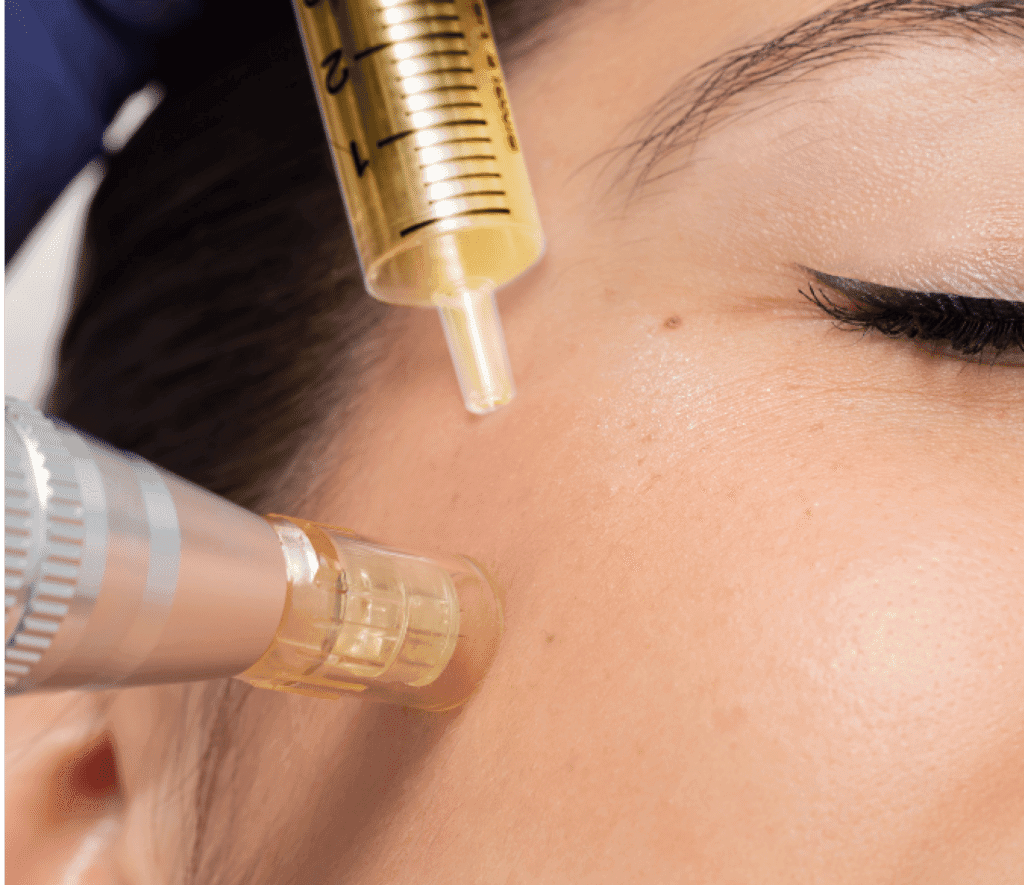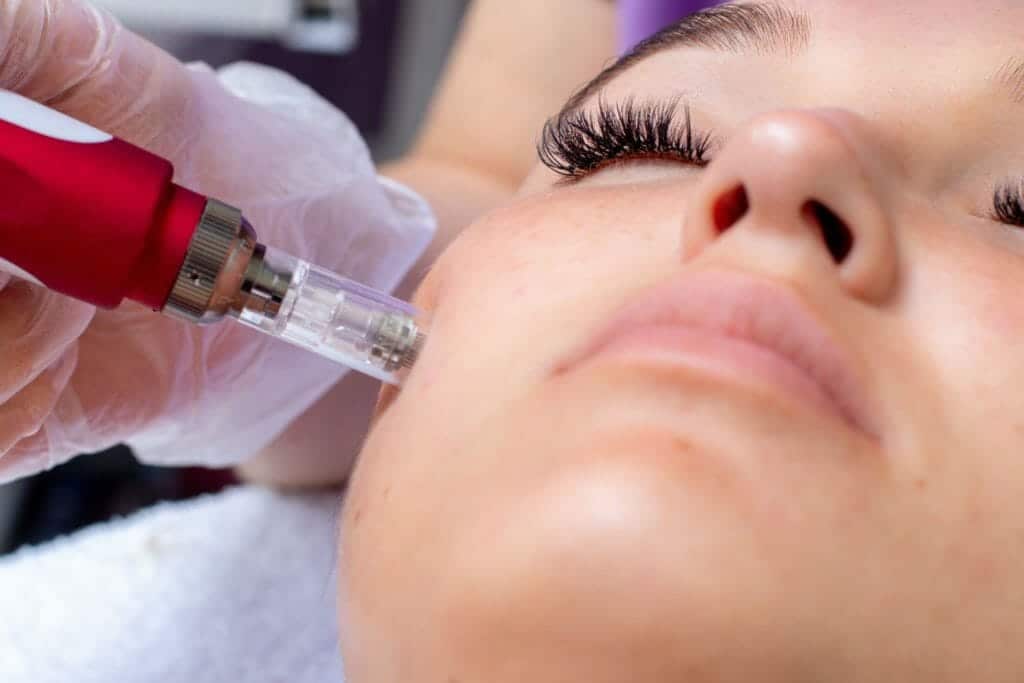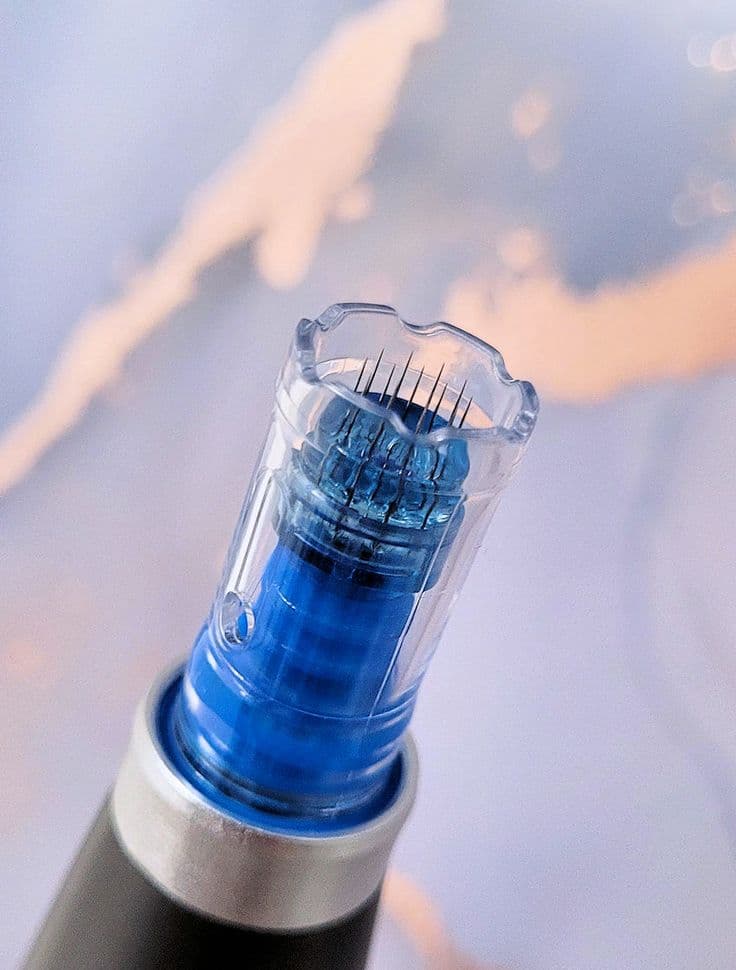

Adding platelet-rich plasma to microneedling changes more than a treatment name. It introduces blood collection and processing, additional provider responsibilities, product-handling questions, cost, consent, and recovery considerations that should be clarified before anyone treats the combination as a routine upgrade.
What PRP adds to the procedure and what remains uncertain
PRP is prepared from the client's own blood to concentrate platelets in a plasma portion. That description does not establish what benefit it adds for a particular skin concern. Ask which outcome the combination is meant to support, what evidence the provider relies on, and how progress will be judged. The answer should distinguish a plausible biological rationale from a promised cosmetic result. It should also explain whether standard microneedling alone, another skin treatment, or no procedure is a reasonable alternative for the same goal.
Which qualified provider prepares and applies the blood-derived product?
Blood-derived procedures require qualified clinical oversight. Confirm who orders or approves treatment, who draws blood, how it is processed, who performs the needling, what sterile handling is used, and who manages an unexpected reaction. Those answers matter more than an appealing “vampire facial” label. Because Ruth Swissa's practice centers on permanent makeup and medical tattooing rather than medspa care, ask whether PRP is currently offered and who the licensed treating provider would be before scheduling.
How combination treatment changes consent, recovery, and follow-up questions
Combining steps can change appointment length, preparation, bruising or swelling possibilities, aftercare, and the follow-up plan. Share medication and supplement use, bleeding history, active skin concerns, recent procedures, and relevant medical conditions with the treating clinician. Ask how standard microneedling risks differ, which changes require a call, and when another session could be considered. A useful consent conversation should make it easy to decline the added procedure without implying that the simpler option is incomplete.
Verify the clinical chain before adding PRP
Treat the combined appointment as a chain of responsibilities and ask who owns each link. The inquiry should identify the clinician who determines candidacy, the person permitted to draw blood, the processing method and equipment, the professional who applies or injects the prepared product, and the contact responsible for complications. Ask whether the blood-derived material is used topically, introduced through channels, or handled another way, because those are not minor wording differences. Request the reason PRP is being considered for this specific concern and how the practice would compare progress with ordinary microneedling. Finally, confirm that the service is offered under appropriately licensed care and that you know exactly who would be treating you. If any answer remains vague, separate the decisions: evaluate standard microneedling on its own merits, then evaluate the clinical add-on only when provider authority, handling, consent, alternatives, cost, and aftercare are clear.
Start with microneedling at Ruth Swissa, then confirm PRP availability and the licensed provider's responsibilities directly.