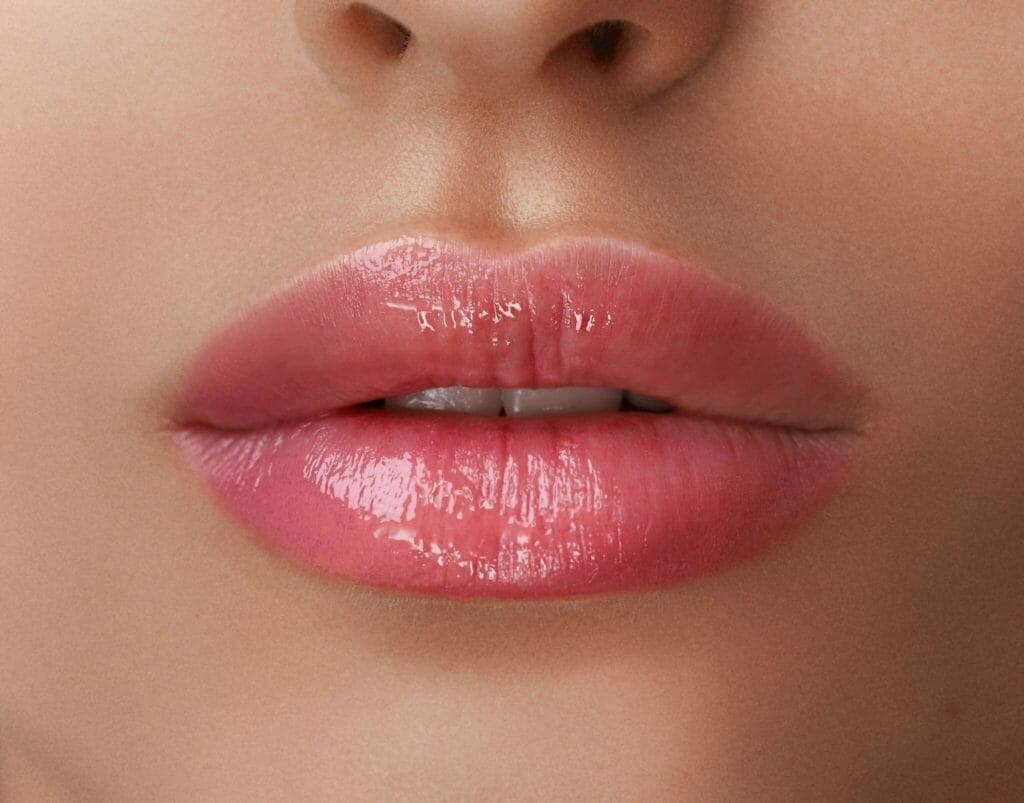
Begin your Calabasas lip-blush conversation with bare lips in natural light and the colors you actually wear. A pigment swatch or saved photograph can communicate direction, but your natural tone, undertone, border, prior pigment, and healing response determine how that direction is translated.
Describe the role lip color plays in your ordinary makeup routine
Describe what you want the color to do on an average morning. You may want a translucent tint, a border that is easier to see, less reliance on liner, or color that looks intentional without lipstick. Lip blush changes visible color and definition; it does not add physical volume or create the effect of lip filler.
Bring two or three lip products you wear often and one shade that did not work once applied. Explain whether you prefer muted or bright, warm or cool, sheer or saturated, and softly defined or more visible. The product name matters less than how it looks against your skin and how comfortable you feel wearing it through a normal day.
At the Calabasas studio, Ruth Swissa can compare those preferences with your untreated lips in ordinary light. A fashionable shade name may describe several different formulas, while a celebrity photograph may be edited, filtered, freshly treated, or lit differently. Use references to describe qualities you like, not as a demand for an exact copy.
Choose a target that fits your makeup habits beyond special events. If you usually wear little other makeup, say so. If you prefer stronger evening color but want a quieter bare-lip appearance, distinguish permanent color from what you are willing to add temporarily with lipstick.
Use undertone and starting pigmentation to narrow color direction
Natural pigmentation is the starting color—not a defect. Undertone and contrast affect how an implanted color is planned and how a reference shade may translate after healing. Ruth may discuss direct blush color for one person and a staged neutralization direction for another. If neutralization is relevant, ask what the first session is intended to change and when a later target shade could responsibly be considered.
Previous lip tattooing, uneven retained pigment, scars, filler, tissue condition, irritation, and earlier reactions can change candidacy or sequence. Disclose every prior lip procedure and bring any available treatment details. Permanent makeup should not be placed over an unexplained spot, open skin, active irritation, or another unresolved lip change; seek appropriate medical evaluation first.
A history of cold sores must be shared before scheduling. Ruth can explain why that history matters to lip tattooing, while prescription suitability, selection, dose, and timing belong with a medical professional who can evaluate and prescribe for you. Do not start or borrow a prescription from someone else's lip-blush routine.
Recent or planned lip filler also needs coordination. Tell Ruth and the qualified injecting professional what has been done and what is planned, then follow the timing they approve for your circumstances. A generic interval from social media cannot account for your tissue, product, injection history, or healing.
Share medicines, allergies, skin reactions, pregnancy or nursing status, and relevant health conditions when asked. Do not stop or alter prescribed medicine for a cosmetic appointment unless the prescribing clinician instructs you to do so.
Evaluate the color only after the stronger fresh stage has settled
Fresh pigment is not the final color standard. Temporary swelling and stronger color can alter apparent shape and tone. During recovery, the lips may look uneven, pale, or different again before settling. Do not compare a first-day photograph with someone else's healed result or judge retention from a single early stage.
Follow Ruth's written aftercare for your appointment instead of applying a fixed online schedule. Use only the products and contact steps she identifies, avoid picking or peeling, and ask before adding makeup or active skin-care products near fresh pigment. Fixed claims about a color-loss percentage or exact recovery day cannot describe every person.
Plan the Calabasas appointment around the visible early phase, not around an assumption that color will settle immediately. Leave room before photography, travel, weddings, presentations, or other events where temporary swelling or stronger color would concern you. Also consider whether you can return to the selected location for the recommended healed review.
Contact Ruth Swissa for routine questions about the selected pigment, the aftercare she provided, or an appearance that falls within the expected course she described. Increasing pain, spreading redness, pus or drainage, fever, breathing difficulty, severe swelling, or symptoms beyond those instructions need prompt medical attention. If a symptom feels severe or is worsening quickly, go straight to emergency care.
At the healed review, compare the result with the original plan: overall tone, border relationship, symmetry, and any area that retained differently. The responsible next step may be to wait, leave the color alone, or discuss a refinement. Another session is not automatic, and permanent intensity or identical healing cannot be promised.
Turn a makeup bag into a color vocabulary
Use plain color language during the consultation. A shade may turn too cool on you, feel too opaque without other makeup, disappear at the border, or read brighter than you want. Those observations give Ruth practical information about warmth, saturation, contrast, and daily preference.
Look at the upper and lower lip separately. Note natural differences in color, border visibility, scars, retained pigment, and the areas you usually correct with makeup. Ask Ruth to describe the first healed objective in the same terms you use and to distinguish it from the stronger fresh stage. If neutralization may come first, keep that objective separate from a later color preference.
Before leaving the Calabasas consultation, make sure you can both describe the intended color direction, what remains uncertain until healing, and the health or timing issue that could change the plan. A poetic pigment name is not informed consent; a shared understanding of tone, limits, recovery, and next steps is more useful.
When you are ready to compare your natural tone with a healed color direction, request a lip-blush consultation with Ruth Swissa and select Calabasas as your preferred location.