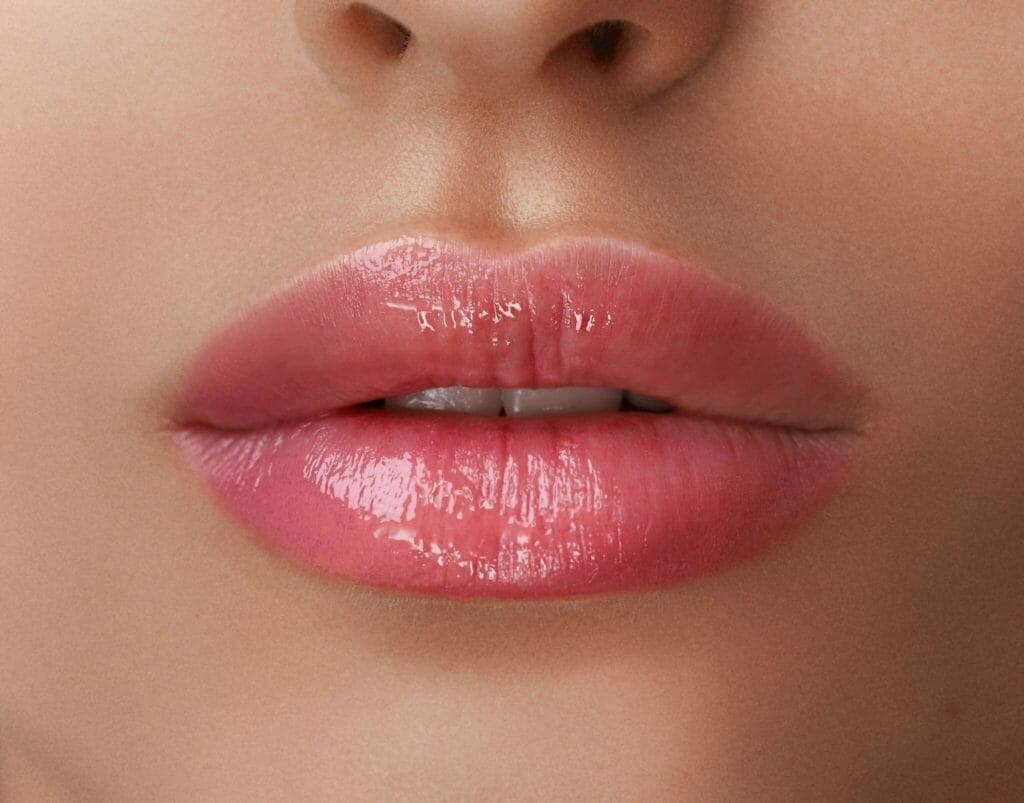
Lip blush should be planned for the settled color, not treated like lipstick applied on the morning of an event. Swelling, stronger fresh pigment, dryness, peeling, and uneven-looking color stages can all occur before the lips show a more useful basis for evaluation.
Fresh lip pigment is intentionally stronger than the healed result
The color immediately after treatment is not the target result. Fresh pigment may appear brighter, darker, warmer, or more opaque, while temporary swelling can change the apparent border. Photography taken at that stage shows placement but not retention. If a wedding, filming date, speaking engagement, or close-up photography matters, tell the artist before reserving an appointment. Ask for a conservative plan that accounts for individual healing and avoids presenting an exact online timeline as a promise.
Allow for swelling, flaking, uneven-looking stages, and aftercare
The lips need a workable recovery environment. Discuss cold-sore history, active dryness or lesions, allergies, medications, filler timing, previous lip tattooing, and any upcoming travel. Aftercare may affect cosmetics, food choices, exercise, sun, picking, and products placed on the lips. A packed Beverly Hills event calendar can make those instructions inconvenient, but convenience should not shorten healing. If the date leaves no room for ordinary recovery or follow-up questions, moving the procedure is more responsible than trying to rush it.
Do not schedule a color correction or follow-up before pigment settles
Color often looks uneven or unexpectedly light during parts of healing. That alone is not a reason to add pigment immediately. The artist needs a settled view of tone, border, and retention before discussing a follow-up. Ask when photographs become informative, when an in-person review is appropriate, and which symptoms should be reported sooner. Backward planning therefore starts from the healed-assessment window, adds space for visible recovery, and only then identifies a treatment date that does not compete with the event.
Place cold-sore planning and travel beside the event date
Lip procedures require a calendar that includes health history as well as appearance. Tell the artist about any history of cold sores or other lip outbreaks early enough to seek guidance from the appropriate medical professional; do not wait until the appointment chair to mention it. Add recent or planned filler, dental care, flights, dry climates, swimming, sun, and makeup trials to the schedule. These details can affect timing or the ability to follow aftercare even when the event itself is weeks away. Bring the lipstick or balm that best represents the desired everyday direction, but expect the implanted color to be planned against the untreated lips. If the available window cannot accommodate fresh intensity, surface changes, and a later assessment of settled pigment, permanent color may be better scheduled after the celebration. A temporary product can serve a single date; the permanent plan should be designed for ordinary life once the photographs and travel are over.
If your calendar allows enough room for visible recovery and settled-color review, explore lip blush with Ruth Swissa and bring the event date, travel plans, health history, and everyday color references to your consultation.