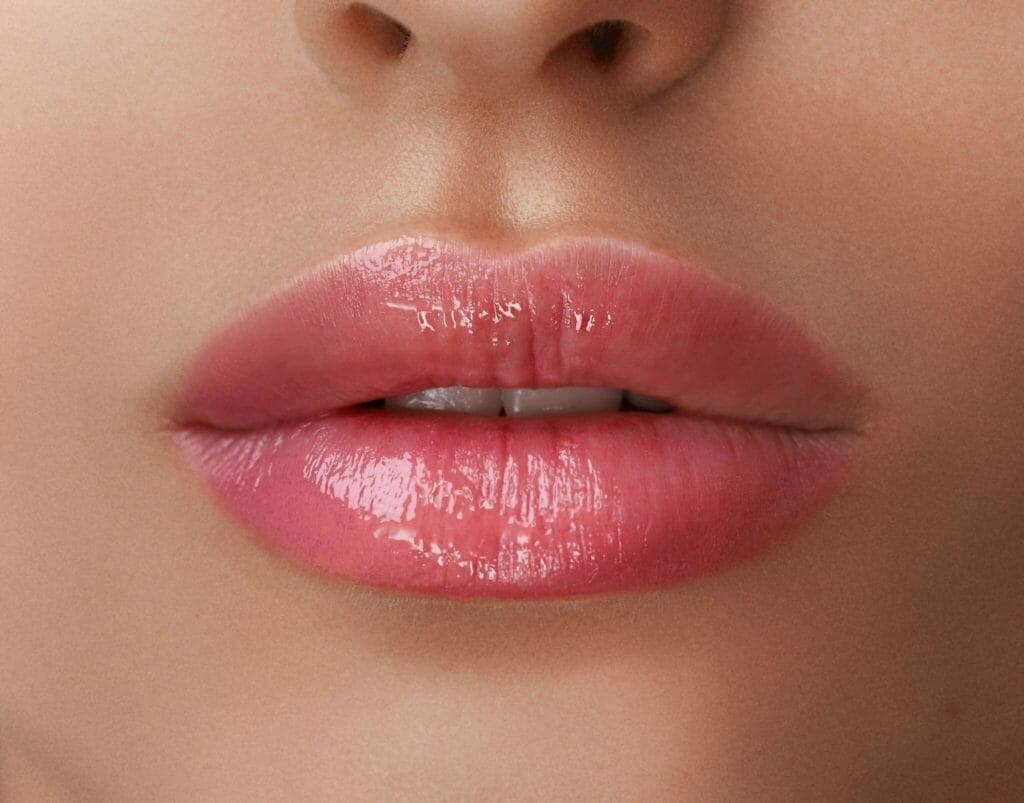
Calabasas sun exposure, outdoor exercise, pool time, travel, and important events all belong on the calendar before lip blush. The goal is not to avoid ordinary life indefinitely. It is to choose a treatment window in which the lips are healthy enough to assess and you can follow Ruth Swissa's written instructions without squeezing visible healing between plans that cannot move.
Lip blush adds pigment; it does not create filler-like volume, stop the lips from changing, or guarantee a fixed color for a fixed number of years. Fresh pigment also looks different from settled pigment. Plan around the full transition rather than expecting the color seen immediately after treatment to remain unchanged.
Start with calm lip tissue and a complete history
Arrive with lips that are calm enough for Ruth to examine. Sunburn, significant cracking, active irritation, visible infection, an open wound, or an active cold-sore outbreak can make treatment inappropriate that day. A new, changing, bleeding, painful, or unexplained area needs assessment by an appropriate medical professional rather than cosmetic tattooing over it.
Share any history of cold sores, even if outbreaks are infrequent or the lips look clear at consultation. Ruth can use that history when discussing timing, but only a qualified prescriber can decide whether an antiviral medication is appropriate and provide directions for its use. Do not take leftover medication, borrow someone else's prescription, or change a medical regimen without the clinician responsible for it.
Also disclose prior permanent lip color, scars, allergic reactions, sensitive-skin history, recent dental work, relevant health conditions, medications, and any current or planned lip filler. Filler changes volume and tissue position; lip blush changes visible color. Neither substitutes for the other. Ask the licensed injector and Ruth how to coordinate timing rather than relying on a universal interval, and confirm which professional should assess swelling, nodules, pain, asymmetry, or another concern related to filler.
Protect fresh lip blush according to written aftercare
Freshly treated lips may appear brighter or darker than the intended settled direction and may show swelling, tenderness, dryness, or flaking. Those early changes are not a reliable preview of the final color. Do not pick, peel, scrub, or add unapproved products in an attempt to make the lips look settled sooner.
Follow the written directions Ruth gives you for cleansing, moisture, cosmetics, food or drink precautions, sun, heat, sweat, swimming, and products used on or around the lips. Aftercare is not interchangeable among artists or clients, and a familiar skin-care product may be poorly timed for freshly treated tissue. If an instruction is unclear, ask before improvising.
Shade and schedule choices can reduce exposure while the lips are fresh, but do not apply sunscreen, balm, or makeup to healing skin unless and when Ruth's instructions permit it. Ask when your usual lip sun-protection product can resume and which ingredients or textures should wait. Contact Ruth about unexpected healing changes; seek appropriate medical care for signs of infection, a severe reaction, rapidly worsening symptoms, or another urgent concern.
Judge settled color before making maintenance decisions
The first days can include brightness, uneven-looking flaking, and areas that seem temporarily lighter as the surface changes. Compare the color only after the lips have had time to heal and settle according to Ruth's assessment. Photographs taken in different lighting, with gloss, after sun exposure, or during swelling can exaggerate differences that are not useful for deciding what the pigment needs.
Once the tissue is fully healed, look at the color in consistent natural light and consider whether the tone, border, and overall intensity still fit the original goal. Any refinement should respond to the settled result and the condition of the lips, not anxiety about an early photograph. More pigment is not automatically better, and adding color before the tissue is ready can make later adjustments harder.
Long-term fading does not follow one calendar for everyone. Sun exposure, skin biology, products, lifestyle, existing pigment, color choice, and individual healing can affect how the work appears over time. Use the ongoing lip care and sun protection recommended for you, then discuss maintenance when a settled change is visible and meaningful to you. A prebooked annual refresh should not replace an examination of the lips.
Put outdoor plans, travel, and events on the calendar
List the plans that would make written aftercare difficult: a beach or pool trip, long hours outside, strenuous outdoor activity, a hot-weather vacation, frequent work travel, or an event where visible swelling, dryness, and flaking would be unwelcome. Driving and everyday errands can also mean repeated direct exposure. Bring the actual dates rather than describing the month as generally busy.
Choose enough space around a wedding, production, portrait session, public appearance, or vacation for healing and an unhurried assessment of settled color. No one can promise an exact day when every visible change will be finished. If the available window is too narrow, postponing treatment is safer than rushing aftercare or concealing fresh lips with products that have not been approved for that stage.
Ask which studio best fits your follow-up plan and whether a Calabasas appointment works for your dates. When your lips and calendar are ready, discuss the lip-blush color and timing with Ruth Swissa and choose the Calabasas studio if it is the more convenient option for you.